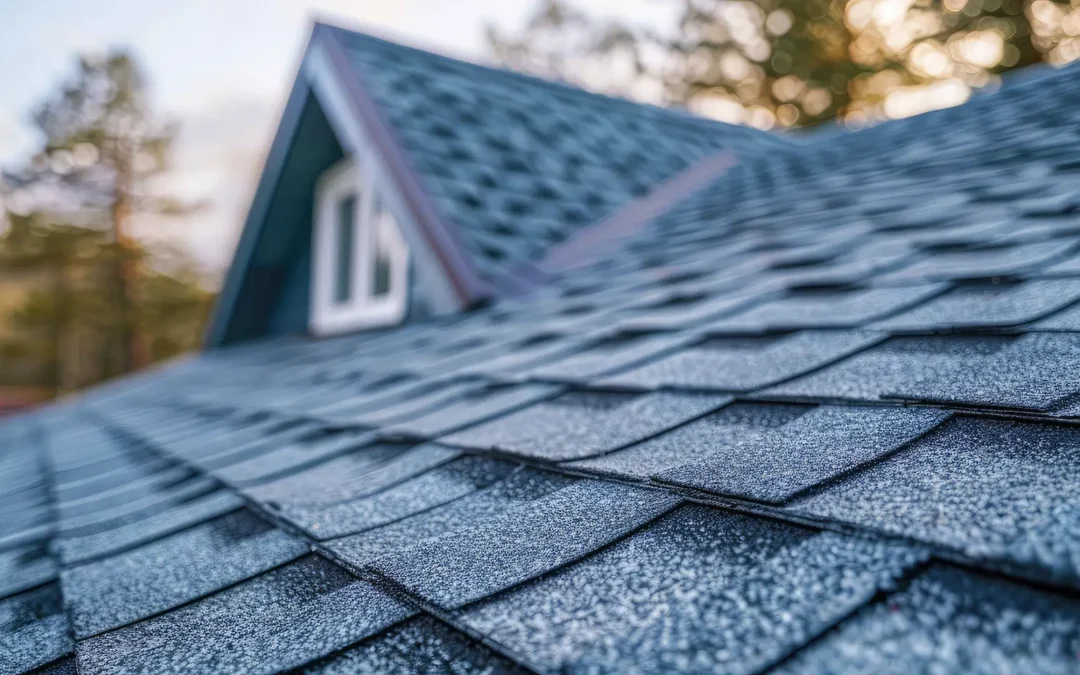
“A roof that breathes lasts longer, proper ventilation is the secret to enduring shingles.”
Your roof does more than protect your home from rain, snow, and sun ,it’s a critical system that keeps your house safe, energy-efficient, and comfortable. In Suffolk County, Nassau County, and across Long Island, weather extremes and seasonal changes put added stress on roofing materials. One often-overlooked factor in roof longevity is ventilation. Proper ventilation extends asphalt shingle roofing life, prevents damage, and ensures your home remains safe and efficient
At J&J Fernandez Roofing, we help homeowners across Long Island understand the critical role ventilation plays in roof maintenance. From soffit vents to ridge vents, proper airflow can dramatically improve the durability of your shingles. This guide explains how roof ventilation works, its benefits, and how to ensure your roof is properly ventilated.
Why Roof Ventilation Matters
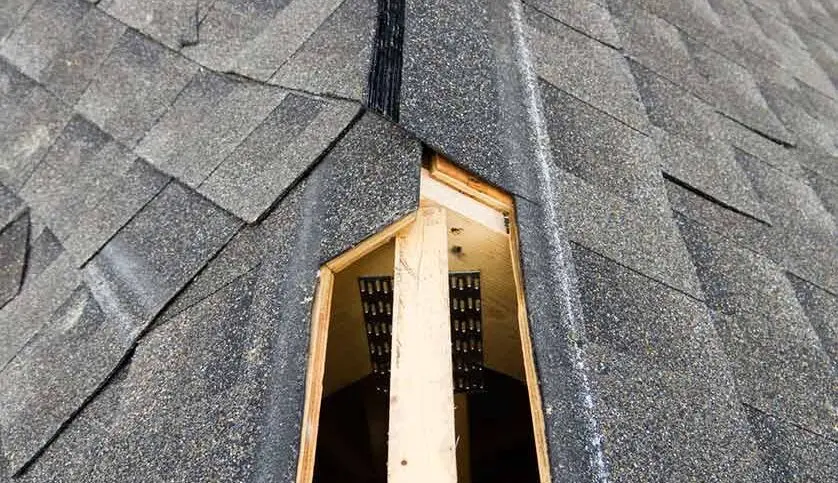
Roof ventilation allows air to flow freely through your attic and roof assembly. Without it, heat, moisture, and condensation can accumulate, leading to:
- Premature shingle aging: Excessive heat and trapped moisture weaken shingles and reduce their lifespan.
- Structural damage: Moisture buildup can lead to wood rot in rafters, decking, and support beams, compromising your residential roofing system.
- Higher energy costs: Poor ventilation traps heat, making your HVAC system work harder in summer.
- Ice dams in winter: In Long Island winters, trapped attic heat can melt snow unevenly, causing ice to refreeze at roof edges and damage shingles.
Proper ventilation balances airflow, removes excess heat, and keeps your roof and attic in optimal condition year-round.
How Roof Ventilation Works
A well-ventilated roof uses a combination of intake and exhaust vents to promote airflow:
- Intake Vents: Usually located under the eaves or vinyl siding soffits, they allow fresh, cool air to enter the attic
- Exhaust Vents: Placed near the ridge or high points, they allow warm, moist air to escape.
The continuous flow of air prevents heat and moisture from stagnating, which helps maintain shingle integrity and prolongs their lifespan. On Long Island, where summers can be hot and humid, and winters can be harsh, this airflow is essential.
Signs Your Roof May Lack Proper Ventilation
Homeowners in Suffolk and Nassau Counties should be aware of warning signs indicating poor roof ventilation:
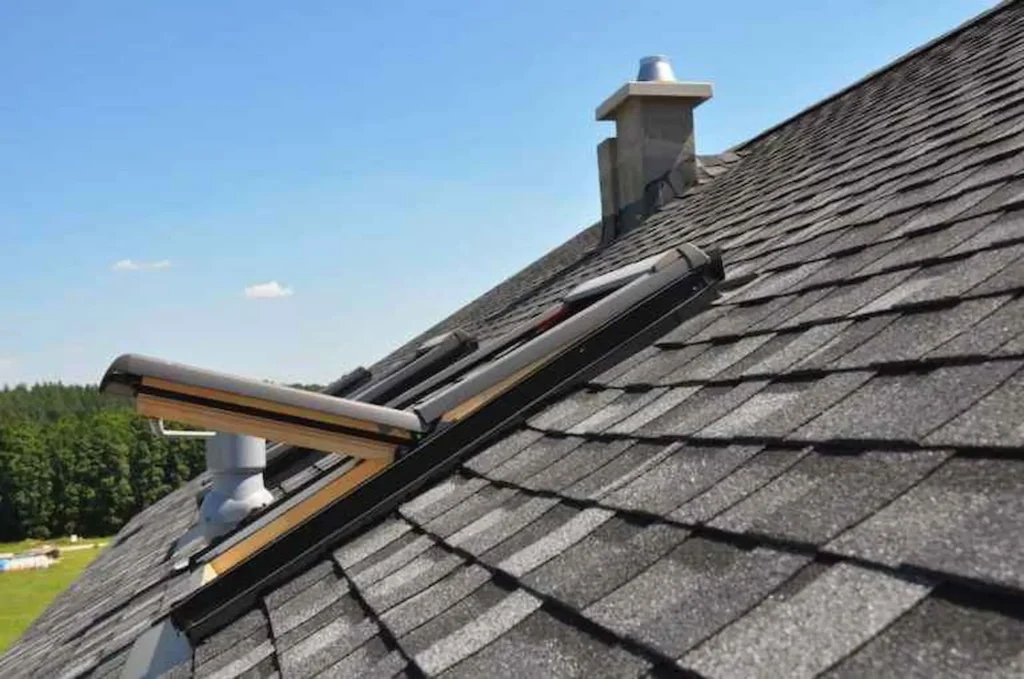
- Shingle Curling or Buckling: Heat buildup can warp shingles over time.
- Premature Shingle Granule Loss: Excessive granule shedding reduces protection from UV rays.
- Ice Dams in Winter: Uneven melting indicates trapped attic heat.
- High Attic Temperatures: Unventilated attics can exceed 150°F during summer.
- Mold or Mildew: Moisture accumulation encourages growth, damaging shingles and decking.
Identifying these signs early can prevent costly roof repairs and extend your roof’s lifespan.
Benefits of Proper Roof Ventilation
Proper ventilation does more than protect shingles; it improves your entire home environment:
- Extended Shingle Life: Reduces heat and moisture stress, keeping shingles intact longer.
- Energy Efficiency: Balanced attic temperatures reduce HVAC strain, lowering energy bills.
- Moisture Control: Prevents mold, mildew, and rot in attic structures.
- Improved Comfort: Keeps attic and upper-level living spaces cooler in summer.
- Ice Dam Prevention: Promotes even snow melting in winter to protect roof edges.
For Suffolk and Nassau County homes, the combination of hot summers and cold winters makes these benefits especially valuable.
Types of Roof Ventilation
Several ventilation systems are commonly used across Long Island:
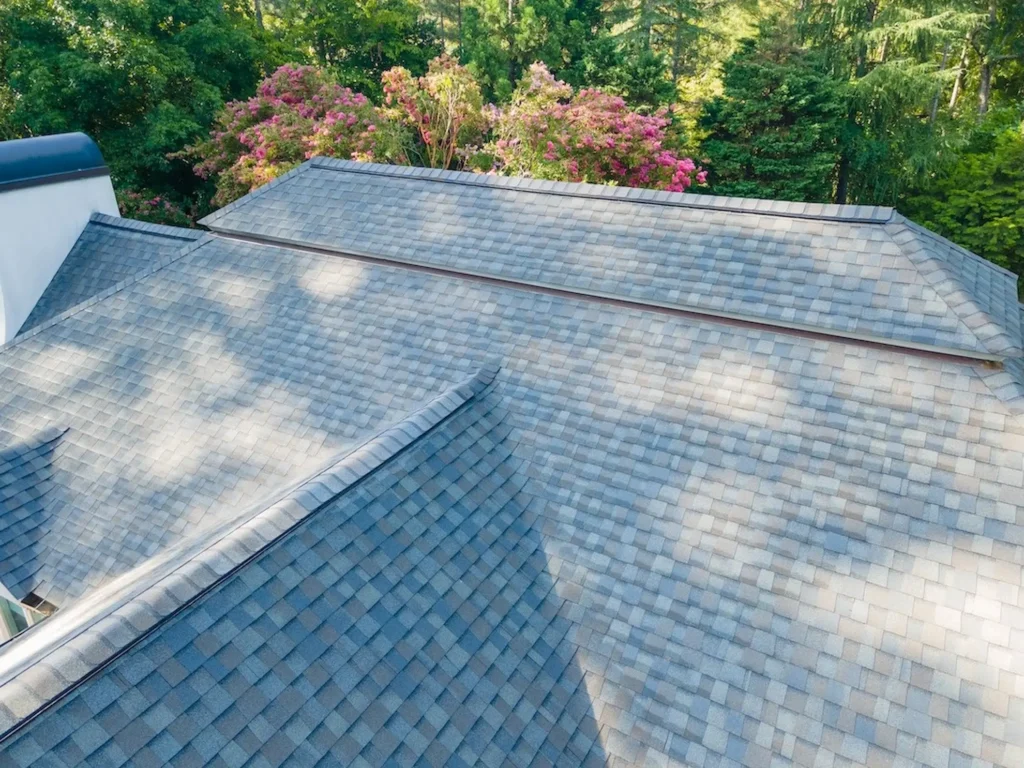
- Ridge Vents: Installed along the peak of the roof, they allow warm air to escape naturally.
- Soffit Vents: Intake vents under the eaves that bring in fresh air.
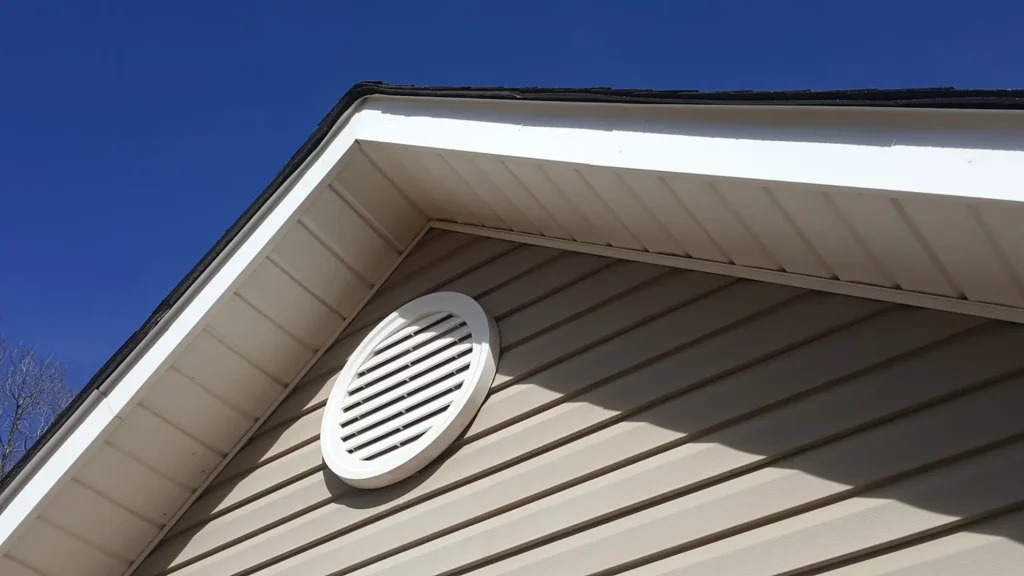
- Gable Vents: Mounted on side walls of the attic to assist airflow.
- Turbine Vents: Spinning vents that draw out warm air using wind power.
- Powered Attic Fans: Mechanically move hot air out of the attic.
A combination of these systems ensures balanced intake and exhaust, keeping your roof in peak condition. J&J Fernandez Roofing evaluates each home to recommend the most effective ventilation solution.
How Ventilation Extends Shingle Life
Shingles are designed to withstand the elements, but heat and moisture are their biggest enemies:
- Heat Reduction: Proper airflow prevents shingles from reaching extreme temperatures, which can cause warping, cracking, and granule loss.
- Moisture Management: Ventilation prevents condensation from forming under shingles, which can weaken the roof deck.
- UV Protection: Cooler shingles are less likely to deteriorate under the sun’s rays.
In Suffolk, Nassau, and Long Island homes, where seasonal extremes can stress roofs, ventilation is a critical factor in prolonging shingle life.
Common Roof Ventilation Mistakes
Even well-intentioned homeowners can make mistakes that reduce ventilation efficiency:
- Installing intake or exhaust vents incorrectly
- Blocking vents with insulation or debris
- Using inadequate or mismatched vent types
- Relying solely on powered fans without passive ventilation
These mistakes can nullify the benefits of ventilation and may accelerate shingle wear. A professional roof assessment ensures your ventilation system works as intended.
Tips for Maintaining Proper Ventilation
Maintaining roof ventilation protects shingles and extends roof life:
- Regular Inspections: Check vents for blockages, damage, or debris accumulation.
- Keep Attic Insulation in Check: Ensure insulation doesn’t obstruct airflow at soffits.
- Address Ice Dams Promptly: Mitigate winter damage with proper ventilation and insulation.
- Schedule Roof Maintenance: Professional inspections catch early signs of poor ventilation or shingle damage.
Following these steps helps keep your roof in peak condition throughout the year.
FAQs
How can I tell if my roof is properly ventilated?
Signs include even shingle wear, reduced attic heat, and absence of moisture, mold, or ice dams.
Does ventilation really affect shingle life?
Yes. Heat and moisture are major factors in shingle deterioration, and proper airflow mitigates both.
Can I install ventilation myself?
While some homeowners attempt DIY installation, professional assessment ensures proper placement, balance, and long-term effectiveness.
How often should I inspect my roof ventilation?
At least twice a year, ideally in spring and fall, or after severe weather events.
Will proper ventilation reduce my energy bills?
Yes. By maintaining cooler attic temperatures in summer and controlling moisture in winter, ventilation reduces HVAC workload.
Final Thoughts
“A roof that breathes is a roof that lasts ,invest in proper ventilation to protect your shingles and your home.”
Proper roof ventilation is more than a structural detail ,it’s a critical factor in extending shingle life, protecting your home, and improving energy efficiency. Homeowners across Suffolk County, Nassau County, and Long Island who prioritize ventilation enjoy longer-lasting roofs, lower maintenance costs, and improved comfort.
At J&J Fernandez Roofing, we specialize in evaluating, installing, and maintaining ventilation systems that keep roofs healthy and shingles durable. From ridge vents to soffits, our team ensures every home in the region benefits from optimal airflow and maximum shingle longevity.