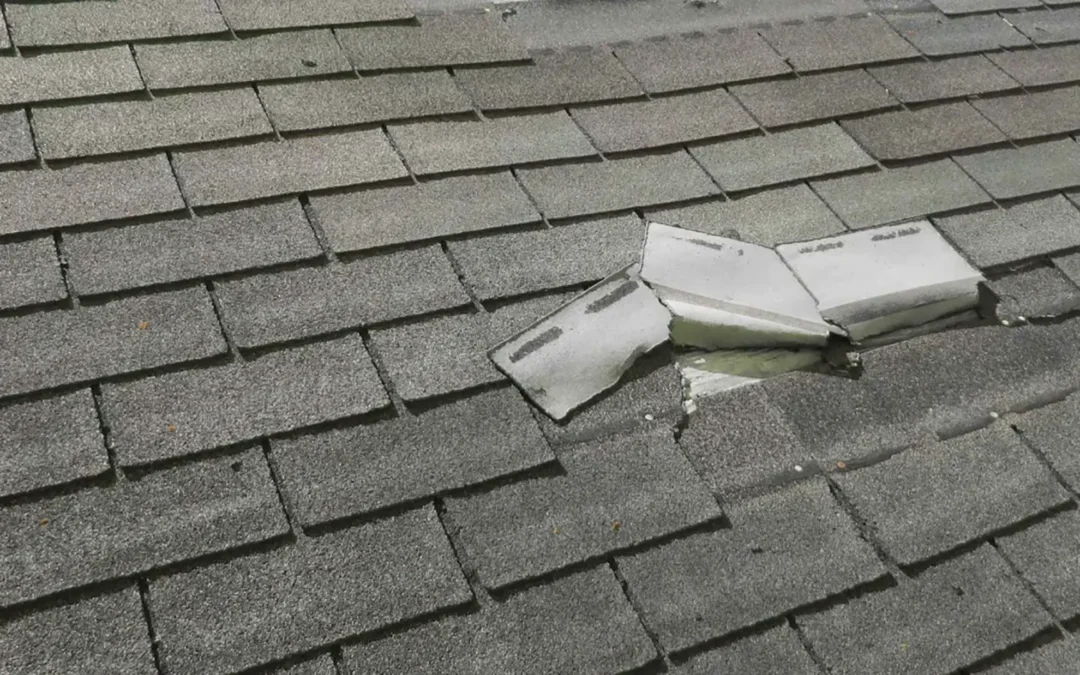
Long Island homeowners rely on their roofs to protect their homes from harsh weather, coastal conditions, seasonal storms, and temperature extremes. But even the strongest roofing systems are vulnerable to the island’s unique climate. Over time, roofs begin to show signs of wearcracking, curling, leaking, staining, or failing structurally. Understanding the common causes of roof deterioration on Long Island helps homeowners take preventive action before minor issues turn into costly damage.
At JJ Fernandez Roofing, we’ve inspected, repaired, and replaced roofs throughout Nassau and Suffolk County for decades. From salt-air corrosion to heavy winds, from humidity to winter ice, we’ve seen exactly how local conditions accelerate roof aging on Long Island. This guide breaks down the most common causes of roof wear, the signs homeowners should look for, and the steps needed to maintain long-term roofing protection.
Understanding Roof Deterioration on Long Island
Roof deterioration happens everywhere, but Long Island experiences conditions that speed up the process. Between coastal exposure, rapidly changing seasons, and frequent storms, roofing materials face stress year-round. What would be considered minor issues in other states often become serious problems more quickly in Long Island’s climate.
Factors like UV exposure, humidity, salt air, strong winds, and debris create a perfect combination of elements that weaken shingles, flashing, underlayment, and structural components. Homeowners who understand these conditions can more easily spot early signs of deterioration and take action before damage spreads to the interior of the home.
1. Coastal Salt Air Damage: Why Long Island Roofs Age Faster Near the Water
Living near the water comes with beautiful viewsbut the salt-rich coastal environment is a major threat to roofing systems. Salt particles in the air settle onto shingles, flashing, and fasteners. Over time, this causes corrosion, discoloration, and material breakdown.
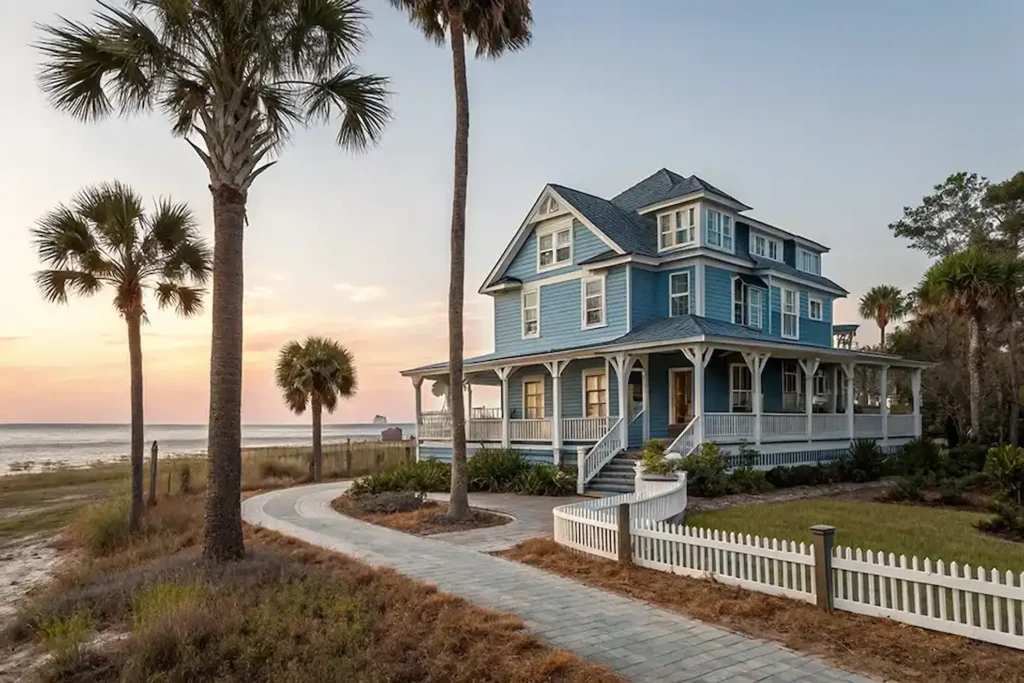
Salt air impacts roofing by:
- Weakening asphalt shingles
- Corroding metal roofing components
- Accelerating granule loss
- Reducing shingle flexibility
- Making roofing materials brittle
Homes closer to the South Shore or North Shore often experience salt air roof deterioration much sooner than inland properties. Even premium shingles need more frequent inspections when exposed to salt moisture.
2. Humidity & Moisture Infiltration: A Hidden Threat to Long Island Roofing
Long Island summers are humid, and warm moisture can cause problems both on top of the roof and inside the attic. Persistent humidity leads to:
- Mold and mildew growth
- Damp or softened shingles
- Roof deck weakening
- Moisture trapped under shingles
- Faster deterioration of adhesives
Moisture infiltration is especially damaging when combined with poor attic ventilation. Warm, moist air rises into the attic, condenses, and begins deteriorating the roof from underneath process homeowners often don’t notice until leaks appear.
3. UV Sun Exposure: The Silent Cause of Shingle Aging
Roof surfaces on Long Island endure strong sunlight for much of the year. UV rays weaken shingles by breaking down protective oils and drying out the asphalt.
Sun exposure causes:
- Curling or cracking shingles
- Loss of granules
- Faded or brittle surfaces
- Premature roof aging
Even newer roofs can show signs of UV sun damage on roofs if not inspected regularly. South-facing roof planes typically deteriorate the fastest.
4. Storm Damage on Long Island: Wind, Rain & Flying Debris
Long Island experiences nor’easters, thunderstorms, hurricanes, and heavy rainstorms, each capable of causing sudden or gradual roofing damage.
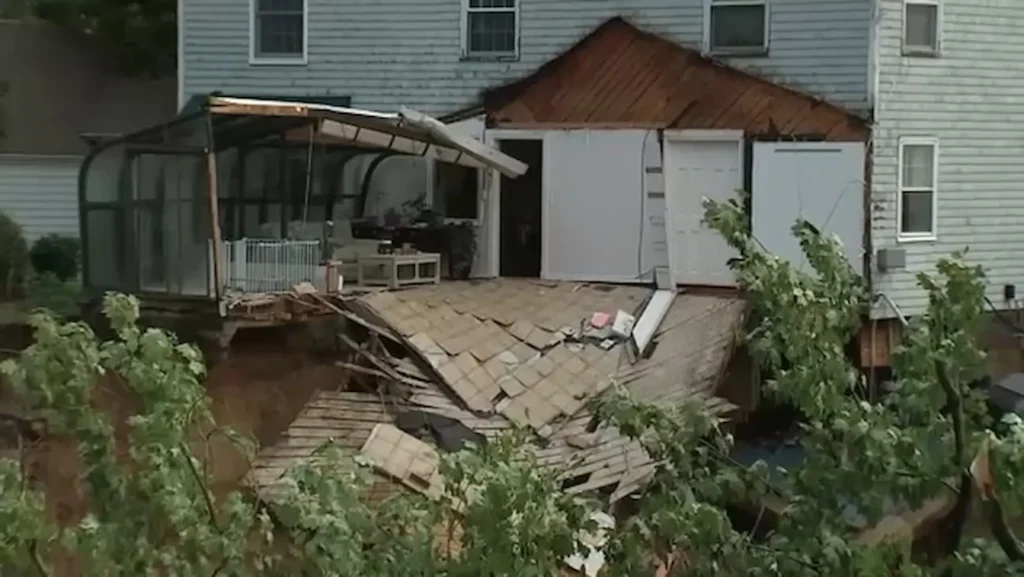
Storm-related issues include:
- Lifted or blown-off shingles
- Fallen tree limbs
- Damaged flashing
- Water backup under shingles
- Leaks caused by wind-driven rain
Storm damage to roofs on Long Island is one of the leading reasons homeowners need emergency roof repairs or replacements. Even if storms don’t cause visible issues, hidden damage often appears months later when moisture infiltration begins.
5. Wind Damage: A Major Contributor to Shingle Deterioration
Coastal wind speeds can be intense, particularly in open areas or high elevations. Strong gusts create uplift pressure on asphalt shingles, loosening them over time. Once shingles lift even a small amount, rain can penetrate beneath them and damage the underlayment.
Signs of wind damage include:
- Missing shingles
- Lifted shingle edges
- Creased or cracked shingles
- Exposed nail heads
Unchecked wind damage can lead to widespread deterioration during the next storm.
6. Poor Attic Ventilation: One of the Most Overlooked Causes of Roof Damage
Attic ventilation plays a crucial role in preventing long-term roof deterioration. When airflow is inadequate, heat and humidity accumulate beneath the roofing materials, creating conditions that lead to moisture buildup, mold growth within attic insulation, roof deck rot, premature shingle failure, and even increased cooling costs during warmer months.
Many Long Island homes, especially older properties lack modern ventilation systems, making poor attic ventilation one of the leading and most overlooked causes of roof damage. Ensuring proper attic ventilation helps extend roof life, improve energy efficiency, and protect your home from costly structural issues
7. Clogged Gutters: Small Issue, Big Roof Damage
Many homeowners don’t realize how directly clogged gutters impact the overall roof structure. When leaves, twigs, and debris accumulate, water can no longer drain properly, causing it to back up under the shingles and seep into vulnerable areas.
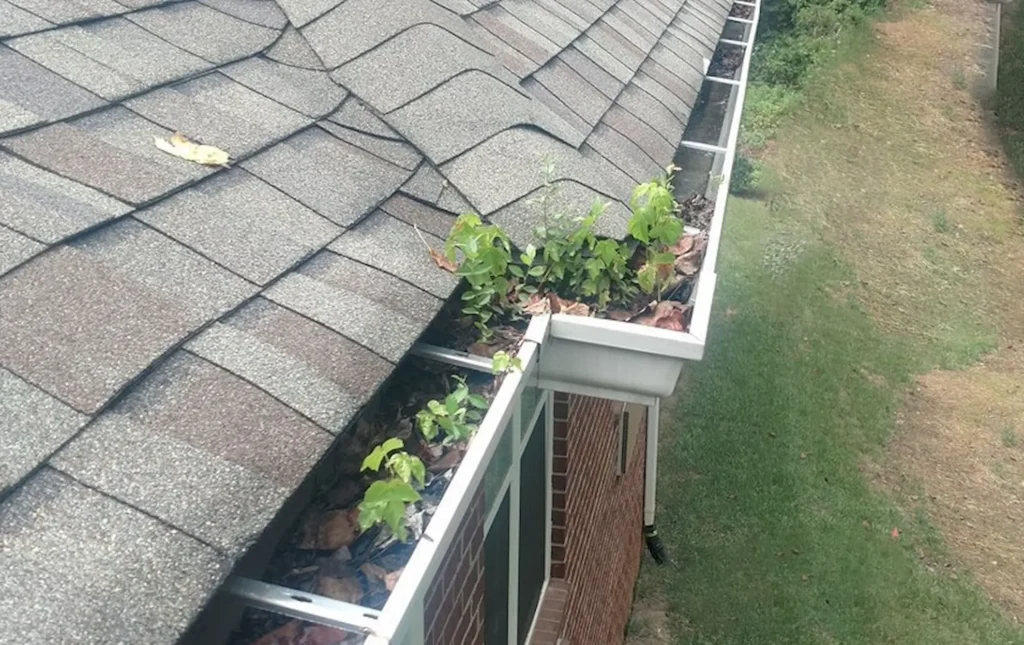
This leads to problems such as fascia board rot, ice dams during winter, mold growth, and even exterior wall damage. Because clogged gutters are one of the most preventable causes of roof deterioration, regular gutter cleaning and maintenance dramatically reduce the risk of water-related roof issues and help protect your home’s structural integrity year-round.
8. Algae and Moss Growth: Moisture-Driven Roof Decay
Long Island’s warm, humid summers create the perfect environment for algae and moss. These organisms trap moisture and slowly deteriorate shingles.
Algae appears as dark streaks, while moss looks like thick green patches. Both can lead to:
- Curling shingles
- Moisture retention
- Roof deck damage
- Structural weakening
- Shingle granule loss
Ignoring algae growth accelerates aging and can reduce the lifespan of the roof by years.
9. Ice Dams & Winter Damage on Long Island Roofs
Cold winters bring freeze-thaw cycles, heavy snow, and ice dams. Ice dams form when melting snow refreezes along the roof edges, preventing water from draining.
This creates:
- Water infiltration under shingles
- Damaged gutters
- Roof deck rot
- Interior leaks
- Sagging surfaces
Homes with poor insulation or attic ventilation are most vulnerable to winter-related roof deterioration.
10. Aging Roofing Materials: Natural Wear Over Time
Even the best-installed roofs naturally deteriorate as they age, and Long Island’s climate accelerates this process due to constant seasonal temperature swings, coastal humidity, and harsh storms.
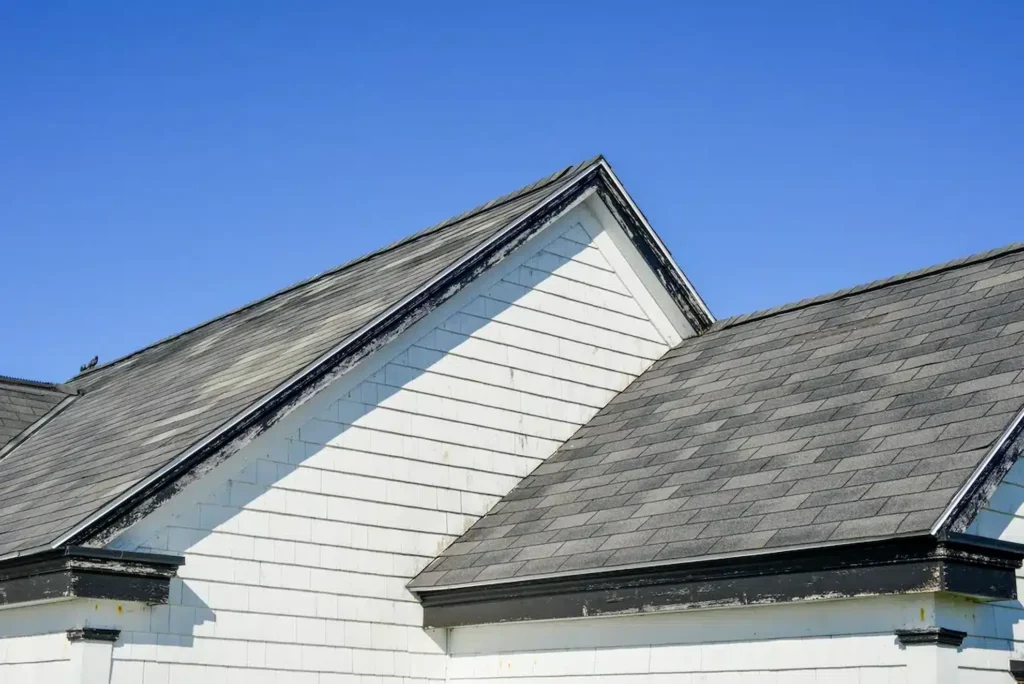
Aging roofs often begin to show visible signs of wear, including cracked or curling shingles, bare spots where protective granules have eroded, loose or failing flashing, sagging roof sections, and increasingly frequent leaks.
Because of Long Island’s coastal conditions, the typical lifespan of an asphalt shingle roof is often shorter than in inland regions, making regular inspections and timely maintenance essential for preventing costly structural damage and extending roof life.
11. Structural Issues & Improper Installation
A roof is only as strong as the quality of its installation and underlying structure. Poor workmanship leads to early roof failure, including:
- Misaligned shingles
- Poorly installed flashing
- Incorrect nail placement
- Insufficient underlayment
- Weak roof decking
When deterioration stems from installation errors, repair is rarely enoughreplacement becomes necessary.
Common Signs of Roof Deterioration Long Island Homeowners Should Watch For
Many Long Island homeowners don’t realize their roof is deteriorating until leaks appear, but early warning signs often show up years in advance. Recognizing these indicators can help you prevent major water damage and avoid costly repairs.
Common symptoms of roof deterioration include curling or blistering shingles, dark streaks or algae patches, granules collecting inside the gutters, soft spots or sagging areas on the roof surface, and shingles that are missing, loose, or visibly damaged. Indoors, water stains on ceilings, mold growth, or musty odors in the attic can signal moisture intrusion and weakened roofing materials.
If any of these issues are present, the roof should be professionally inspected to determine the extent of the damage and prevent further deterioration.
How Long Island Weather Affects Roof Lifespan
Long Island’s climate exposes roofs to extreme seasonal variations, creating harsh conditions that accelerate wear and tear. Homeowners must contend with hot, humid summers, salt-rich coastal winds, heavy rainstorms, freezing winters, snow and ice accumulation, and intense UV exposure.
This ongoing cycle of expansion, contraction, moisture intrusion, and sun damage puts significant stress on roofing materials. As a result, roofs on Long Island tend to deteriorate faster than those in milder inland climates, making regular inspections and timely maintenance essential for long-term protection.
Preventing Roof Deterioration: What Homeowners Can Do
Proactive maintenance dramatically slows roof aging. Long Island homeowners can extend roof lifespan by:
- Scheduling annual roof inspections
- Cleaning gutters regularly
- Removing algae or moss early
- Keeping tree branches trimmed
- Ensuring attic ventilation is adequate
- Replacing compromised shingles quickly
- Addressing small leaks before they grow
Maintenance doesn’t stop all deterioration, but it prevents small issues from becoming structural damage.
Roof Repair vs. Replacement: Knowing the Right Time
Determining whether to repair or replace depends on the extent of deterioration. Repairs are appropriate for localized issues such as a few missing shingles or a small leak. But widespread deterioration especially granule loss, curling, or structural weakeningusually calls for full replacement.
Roof replacement indicators include:
- Roof near or past its lifespan
- Recurring leaks
- Significant storm damage
- Shingles deteriorating across large areas
- Roof deck rot
A professional roofing contractor on Long Island can evaluate the roof and recommend the most cost-effective option.
Seasonal Roof Damage: Why Each Season Brings New Challenges
Every season introduces different threats:
Spring: rainstorms, moisture infiltration
Summer: heat, UV exposure, humidity
Fall: debris buildup, clogged gutters
Winter: ice dams, freeze-thaw damage
Long Island roofs must be strong enough to withstand multiple damaging cycles each year.
Why Choose JJ Fernandez Roofing for Long Island Roof Protection
When it comes to preventing and repairing roof deterioration on Long Island, homeowners need more than basic roofing assistance. They need a contractor who understands the region’s coastal climate, seasonal extremes, and the unique challenges that local roofs face. JJ Fernandez Roofing brings decades of hands-on expertise, precision workmanship, and a deep understanding of Long Island’s roofing needs.
Local Experience With Long Island’s Climate
Long Island’s weather patterns aren’t like other regions. Salt air, strong winds, humidity, winter storms, and coastal impact all accelerate roof wear. Our team has spent years working in these conditions, giving us the insight needed to diagnose issues quickly and accurately.
Skilled Roofing Technicians With Proven Expertise
From storm repair to full roof replacement, every member of our crew is trained, certified, and experienced. We don’t just install roofs — we build durable systems designed for long-term protection.
High-Quality Materials Designed for Coastal Durability
We supply and install roofing materials specifically engineered to withstand coastal environments, extreme temperatures, salt exposure, and strong UV rays. This dramatically improves roof longevity for Long Island homeowners.
Comprehensive Roof Inspections & Honest Assessments
We never upsell or push unnecessary work. Our inspections are thorough, detail-oriented, and focused on what your home truly needs — whether it’s a minor repair or a complete replacement.
Fast, Reliable Storm Damage Assistance
When storms hit Long Island, roofing damage can happen fast. We prioritize emergency repairs, leak control, and post-storm inspections to prevent further interior damage.
Seamless Roof Repairs & Long-Term Solutions
Our goal is to stop deterioration at the source. Instead of doing patchwork repairs, we address underlying ventilation, moisture, flashing, or structural issues to ensure long-lasting results.
Transparent Pricing & Clear Communication
We maintain open communication from start to finish. You always know what work is being done, why it’s necessary, and what the investment covers — with no hidden surprises.
A Reputation Built on Trust Across Long Island
JJ Fernandez Roofing is known throughout Nassau and Suffolk County for dependable service, honest workmanship, and roofs that stand the test of time. Our reviews, repeat customers, and referrals speak for themselves.
FAQs
What causes roof deterioration on Long Island?
Salt air, humidity, storms, strong winds, UV rays, algae growth, and poor ventilation are the main causes.
How does salt air affect roofing shingles?
Salt causes corrosion, granule loss, and shingle brittleness, especially near coastlines.
What weather conditions damage roofs the most?
High winds, heavy rainstorms, winter ice, and intense sunlight are the most harmful.
How do storms impact roof lifespan?
Storms lift shingles, damage flashing, and push water beneath roofing materials, weakening the roof over time.
Why do shingles deteriorate faster near the coast?
Salt moisture accelerates aging by corroding materials and drying out asphalt shingles.
How can homeowners prevent roof deterioration?
Regular inspections, proper ventilation, gutter maintenance, and timely repairs significantly slow deterioration.
How often should Long Island roofs be inspected?
At least once a year, plus inspections after major storms.
Final Thoughts
Roof deterioration is inevitable, but Long Island’s climate accelerates the process. Understanding the causes of humidity, salt air, UV rays, storms, attic ventilation problems, algae growth, and aging materials helps homeowners take action early. Proactive maintenance and timely repairs extend the roof’s lifespan and prevent small issues from becoming major damage.For homeowners who want roofing protection that lasts, partnering with an experienced Long Island roofing contractor is essential. Professional inspections, quality materials, and expert craftsmanship protect your home from the region’s toughest weather conditions.