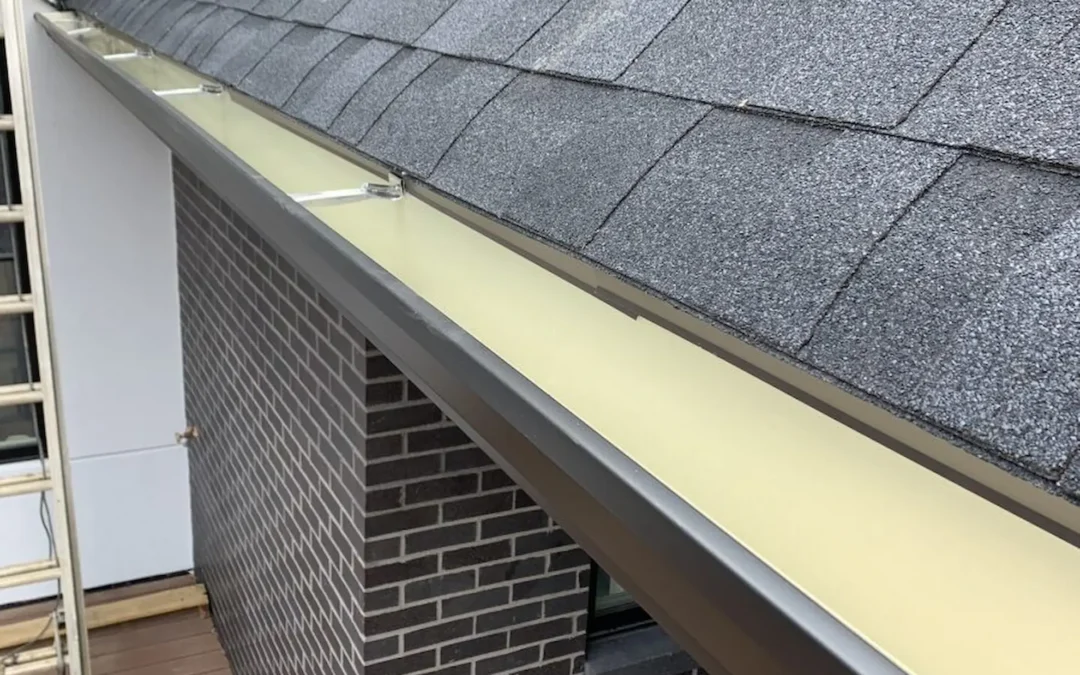
For Long Island homeowners, the fight against water damage is a constant battle. From the heavy rains of spring nor’easters to the snowmelt of winter, your home’s exterior is under a relentless assault. The most critical line of defense isn’t just your shingles or siding; it’s the coordinated team of your gutters and drip edge. These two components work in perfect harmony as your home’s primary drainage system, and when one fails, the consequences can be severe for your roof, walls, and even your foundation. Understanding and maintaining this dynamic duo is not just home maintenance, it’s essential home protection.
J&J Fernandez Roofing understands this vital relationship better than most. As a trusted, licensed, and insured local roofing company with over 15 years of experience serving Suffolk County and Nassau County, we’ve seen firsthand how a missing drip edge or a failing gutter can lead to thousands of dollars in preventable damage. Our expertise in high-quality roofing systems, including the precise installation of drip edge protection, gives us a unique perspective on how to create a seamless, water-shedding barrier for your home from the roof’s edge to the ground below.
Many homeowners think of gutters as simple troughs and the drip edge as an invisible piece of metal. In reality, they are precision-engineered parts of your home’s weatherproofing. The drip edge is the director, guiding water off the roof deck and into the gutters. The gutters are the channel, collecting that water and funneling it safely away through downspouts. If this handoff is disrupted, by a clog, a sag, or a misaligned edge, water is no longer a guest being shown the door. It becomes an intruder, seeping into fascia boards, rotting wood, damaging siding, and eroding the soil around your foundation.
Investing in a complete, professionally installed gutter and drip edge system is an investment in long-term peace of mind. It protects the structural integrity of your home, preserves its curb appeal, and prevents the headaches of interior leaks and mold. This guide will walk you through the essential roles of gutters and drip edges, the dangers of ignoring them, and the undeniable benefits of having a skilled, local team like J&J Fernandez Roofing ensure your home is equipped with the best defense against Long Island’s weather.
Understanding Your Home’s Primary Drainage System
Your roof is designed to shed water, but without a proper drainage system, that water would simply pour off the edges, causing significant erosion and damage. This is where your gutter and drip edge system comes in. Think of it as a coordinated pathway for rainwater. The process starts at the roof’s edge with the drip edge, a specially shaped metal flashing that ensures water drips clear of the underlying structure and is directed into the gutter trough.
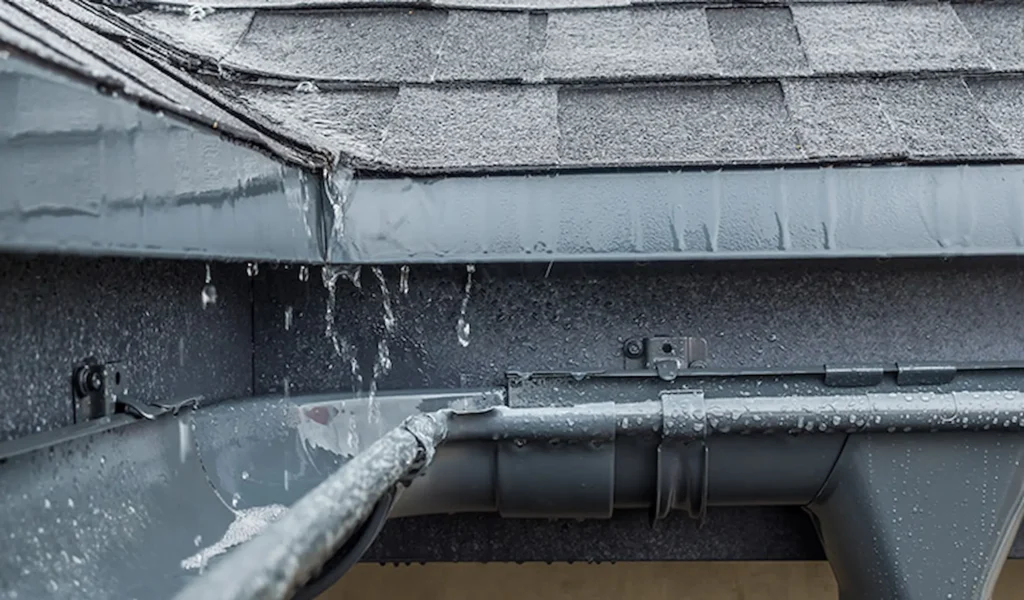
The gutters then collect this water from along the entire roofline and channel it to the downspouts, which finally discharge it several feet away from your home’s foundation. This entire process is what keeps your siding dry, your basement dry, and your landscaping intact.
The Critical Role of the Drip Edge
The drip edge is a small but mighty component often hidden beneath the first course of shingles. Its L-shaped design serves multiple crucial functions. First, it protects the vulnerable edge of your roof deck, the plywood or OSB sheathing, from wind-driven rain and ice. Second, it keeps water from getting behind your gutters by creating a defined drip line. Most importantly, it supports the roof’s underlayment, preventing it from sagging or being exposed to UV rays and weather. A properly installed drip edge is a fundamental part of a code-compliant roof and a non-negotiable element of long-term roof health, which is why companies like J&J Fernandez Roofing emphasize its installation as part of their asphalt shingle roofing and roof replacement services.
How Gutters Work with Your Drip Edge for Maximum Protection
For the system to work, the drip edge and gutters must be perfectly aligned. A correctly installed drip edge will extend about halfway into the gutter channel. This ensures that water released from the drip edge falls directly into the gutter without splashing back onto the fascia board or missing the trough entirely. This seamless transition is key. If the gutter is too low, water can run behind it.
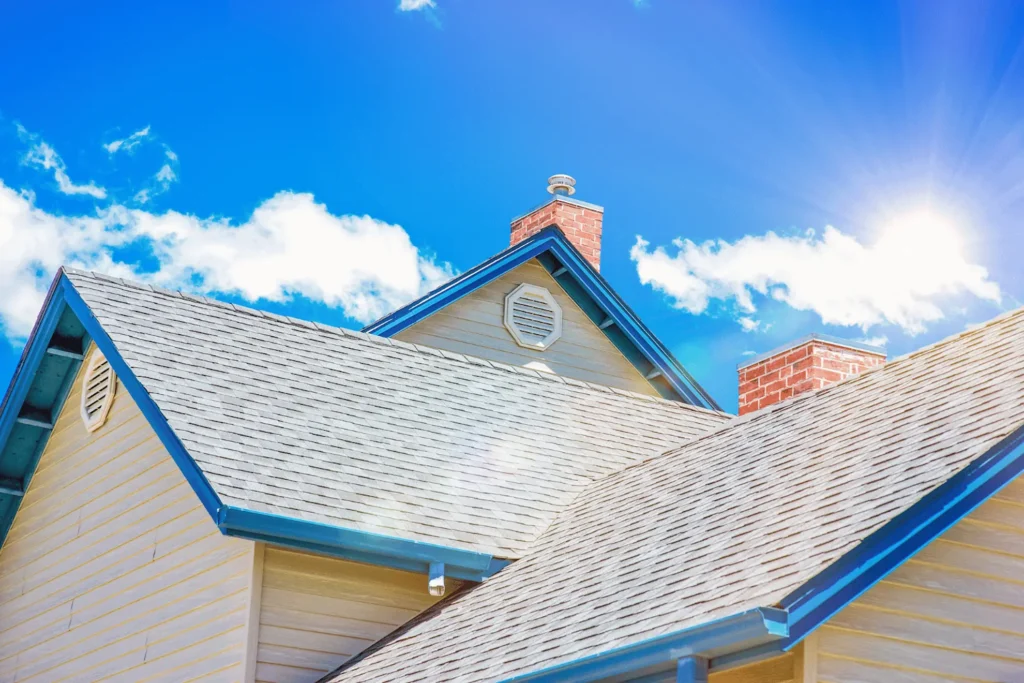
If the drip edge is too short or missing, water clings to the fascia, leading to rot and peeling paint. This partnership is why inspecting both components together is essential; a problem with one usually indicates or will cause a problem with the other.
Common Gutter Problems That Put Your Home at Risk
Gutters face constant challenges from debris, weather, and time. Clogged gutters filled with leaves and twigs are the most common issue, causing water to overflow and saturate the areas the system is meant to protect. Sagging or pulling away gutters lose their proper pitch, allowing water to pool, which adds weight and strain, worsening the sag. Leaking seams and holes can develop from wear or winter ice, allowing water to drip onto siding and foundation spots. In winter, gutters clogged with debris can contribute to ice damming, where melted snow refreezes at the cold eaves, creating a dam that traps water and forces it under shingles. Each of these failures breaks the chain of your home’s water management.
Warning Signs Your Drip Edge is Failing or Missing
Unlike a hanging gutter, a drip edge problem can be harder to spot but just as damaging. Homeowners should look for key warning signs. Visually, you might see rust or corrosion on the metal edge, or notice that the edge is bent or missing in sections. More telling are the secondary effects: water stains or rot on your fascia boards, paint peeling or bubbling along the roof edge, or signs of water infiltration in your attic or on exterior walls near the eaves.
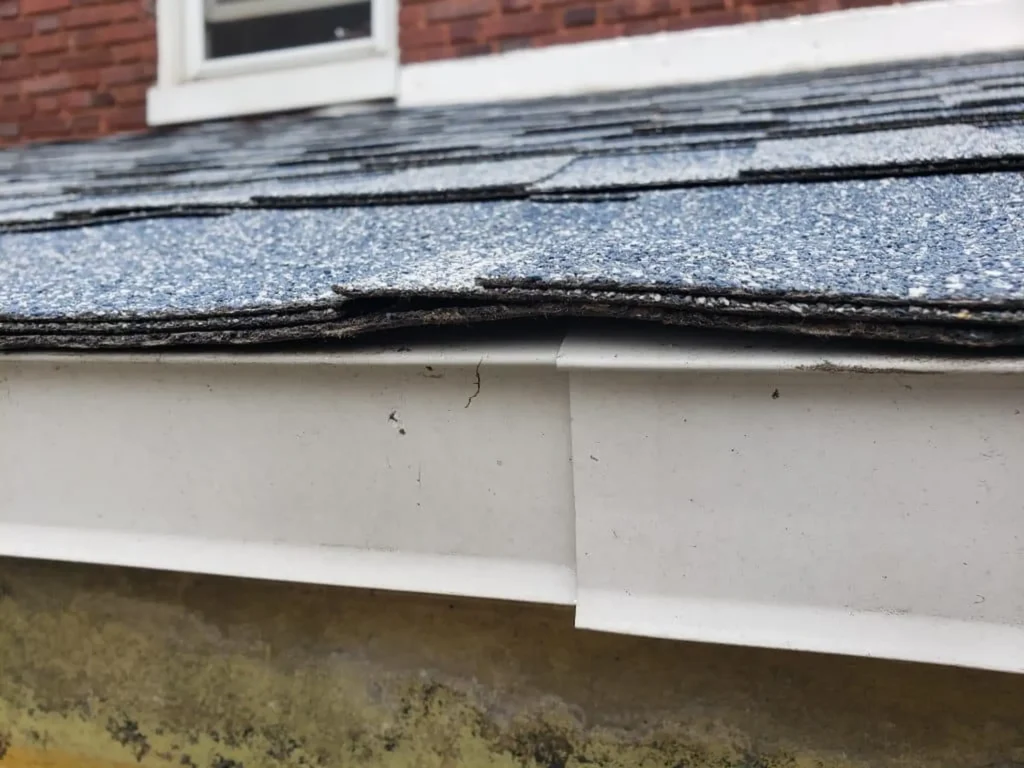
If you see streams of water running between your gutter and the fascia during a rainstorm, that is a classic sign of a missing or improperly installed drip edge that is failing to direct water into the gutter.
The Domino Effect of Water Damage from Failed Systems
When gutters and drip edges fail, the resulting water damage follows a predictable and destructive path. The first casualty is usually the wood, fascia boards and roof decking at the eaves begin to rot, compromising their structural strength. This moisture then creates a perfect environment for mold and mildew in your attic and on exterior walls. Water running down the siding can stain it, seep behind it, and damage insulation. Most critically, water that isn’t carried away from the house by downspouts pours directly next to the foundation. Over time, this hydrostatic pressure can lead to cracks, leaks, and a damp basement, which are among the most expensive home repairs to address.
The Professional Solution: Installation and Integration
Addressing these issues requires more than a simple patch; it requires a professional, integrated solution. A skilled team like the one at J&J Fernandez Roofing follows a systematic approach. It begins with a thorough inspection of both the roof edge and the entire gutter system to diagnose all related issues.
For a comprehensive fix, this often involves carefully lifting the first row of shingles to install a new, continuous drip edge that is properly nailed to the roof deck. Simultaneously, old gutters may be repaired or replaced with new, seamless gutters that are precisely pitched and securely fastened to align perfectly with the new drip edge. This ensures the two systems work as one unified drainage unit.
Material Choices for Longevity in Long Island’s Climate
Choosing the right materials is crucial for a system that lasts. For drip edges, aluminum is a popular choice due to its rust resistance and durability. Galvanized steel is also robust and cost-effective. For gutters, seamless aluminum gutters are highly recommended for their clean appearance and reduced risk of leaks at seams. They are lightweight, rust-proof, and can be painted to match your home.
For areas with heavy tree cover, gutter guards can be a worthwhile addition to minimize clogs. A professional can advise on the best material combination for your specific home, budget, and the local Suffolk and Nassau County weather conditions, ensuring optimal performance and curb appeal.
Preventative Maintenance for Lasting Protection
Once a high-quality system is installed, simple preventative maintenance can extend its life for decades. The most important task is keeping gutters clean; a semi-annual cleaning in late fall and early spring is ideal for Long Island homes. Visually inspect the system during these cleanings, looking for sagging, leaks, or any separation between the drip edge and gutters.
Ensure downspouts are clear and that their exit points direct water at least five feet away from your foundation. Also, trim back any tree branches that hang over the roof to reduce debris and minimize wear on shingles. This proactive care protects your investment and helps you avoid emergency repairs.
Why Choose J&J Fernandez Roofing for Your Gutter and Drip Edge Solutions
When it comes to protecting your home from water, you need a contractor with the expertise to see the big picture. J&J Fernandez Roofing is that contractor. Our 15+ years of experience as a local roofing company means we understand how the roof, drip edge, and gutters must work together.

We don’t just install gutters in isolation; we assess and repair the entire drainage system, including the critical roof-edge details. Our commitment to “exceptional craftsmanship” and “long-lasting materials” means we build solutions designed to withstand Long Island’s weather for years to come. From our clear, inspection-based process to our final walkthrough and warranty, we provide the honest communication and reliable service that Suffolk and Nassau County homeowners trust to keep their homes safe and dry.
Conclusion
Your home’s gutter and drip edge system is its silent guardian against water damage. This essential partnership controls the flow of rainwater, protecting everything from your roof sheathing to your foundation. Ignoring these components can lead to a cascade of expensive and disruptive problems, while maintaining them offers lasting protection and peace of mind.
For a complete solution that integrates both gutters and drip edges with expertise, turn to the local professionals at J&J Fernandez Roofing. Our skilled team will ensure your home has a seamless, efficient drainage system that performs flawlessly, season after season. Don’t wait for signs of damage to appear. Invest in the complete protection that keeps water where it belongs, away from your home.
Frequently Asked Questions (FAQs)
Can you install a new drip edge without replacing my roof?
Yes, in many cases. A professional roofing team can often retrofit a new drip edge by carefully lifting the first row of shingles, installing the new flashing, and re-securing the shingles. This is a common and effective repair.
How often should I have my gutters cleaned?
For most Long Island homes, we recommend cleaning gutters at least twice a year, in late fall after most leaves have dropped and in early spring to clear any winter debris. Homes under many trees may need more frequent cleaning.
What are “seamless gutters” and are they better?
Seamless gutters are custom-formed on-site to the exact length of your roofline, minimizing seams. They are generally superior because they have fewer potential leak points, offer a cleaner look, and are often more durable than traditional sectional gutters.
My gutters are overflowing but aren’t clogged. What’s wrong?
This often indicates that the gutters are improperly pitched or are too small (“undersized”) for the volume of water coming off your roof’s surface area. A professional can assess and recommend the correct size and adjustment or replacement.
Is a drip edge required by building code?
Yes, modern building codes require a drip edge on all new roof constructions and replacements. It is a critical component for proper water management and protecting the roof structure.