Coastal Long Island is one of the most beautiful places to live whether it’s the ocean breeze, the scenic shoreline, or the close-knit communities stretching from Nassau’s waterfront neighborhoods to the eastern shores of Suffolk County. But while the coastal environment offers an exceptional lifestyle, it also brings challenges for homeowners, especially when it comes to roofing. Homes near the coastline face unique environmental pressures that inland properties simply don’t encounter.
From salt air roof damage, powerful storm winds, and moisture-heavy weather conditions to algae growth, flashing deterioration, and humidity-related roof rot, coastal Long Island roofs require stronger materials, frequent inspections, and expert maintenance. In this comprehensive guide, we break down the most common coastal Long Island roofing problems, how to identify them early, and what homeowners can do to protect their property.
For reliable service, JJ Fernandez Roofing provides long-term solutions tailored to the coastal climate, specializing in Long Island coastal roofing services, inspections, repairs, and replacements built to last.
Why Coastal Long Island Homes Experience More Roofing Problems
Homes near the coastline must contend with conditions that can rapidly accelerate roof aging. The constant exposure to salt, moisture, high winds, heavy rainfall, and seasonal storms affects roofing materials from the outside in.
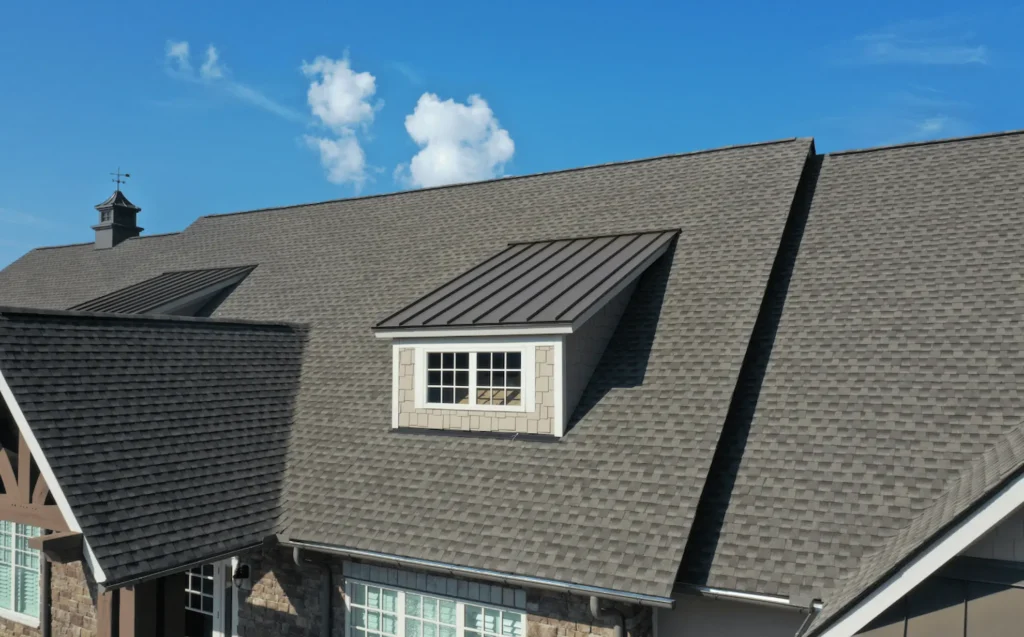
Even a durable asphalt or architectural shingle roof can deteriorate faster along coastal areas than in inland communities.
1. Salt Air Exposure
Sea salt carried by coastal winds settles into shingles, flashing, gutters, and fasteners. Over time, salt acts as a corrosive agent, breaking down the protective layers of roofing materials. This process speeds up shingle drying, cracking, granule loss, and metal corrosion.
2. High Humidity and Moisture
In coastal regions, air moisture is consistently higher throughout the year. When moisture lingers on roof surfaces, it encourages algae, moss, and mold growth, leading to roof rot from humidity, deteriorated underlayment, and moisture intrusion into the attic.
3. Strong Coastal Winds
Wind speeds near Long Island’s shoreline can be significantly stronger than inland areas. These winds weaken shingles, loosen flashing, cause wind damage roof repair needs, and can lift entire shingle sections during storms.
4. Sudden Weather Shifts
Hot summers, cold winters, and rapid temperature swings put roofs under constant stress. This expansion-and-contraction cycle leads to curled or cracked shingles and weakened weatherproof layers.
These coastal conditions make it essential for homeowners to understand the unique roofing challenges they face and take proactive measures to protect their homes.
Most Common Roofing Problems in Coastal Long Island Homes
Long Island’s marine climate affects shingles, underlayment, gutters, flashing, and roof structure. Here are the most frequent issues observed by roofing experts across the region.
1. Salt Corrosion on Shingles and Flashing
Salt corrosion is one of the primary marine climate roofing issues affecting Long Island homes. Salt crystals embed into shingles and metal components, accelerating deterioration.
Common signs of salt corrosion include:
- Loss of granules on asphalt shingles
- Brittleness or cracking
- Rust on flashing, vents, fasteners, or gutters
- Discoloration or streaking
- Premature shingle aging
Without fast action, corrosion weakens the roof’s ability to protect the home from heavy rainfall and storms.
2. Moisture, Mold, and Algae Buildup
High humidity and year-round moisture make algae and mold growth a widespread problem. You may see:
- Black streaks
- Green patches of moss
- Mildew odors in the attic
- Damp insulation
- Wood rot around the decking
Unresolved growth accelerates shingle deterioration and reduces the roof lifespan in humid climates.
Regular cleaning and ventilation upgrades are essential to preventing moisture buildup.
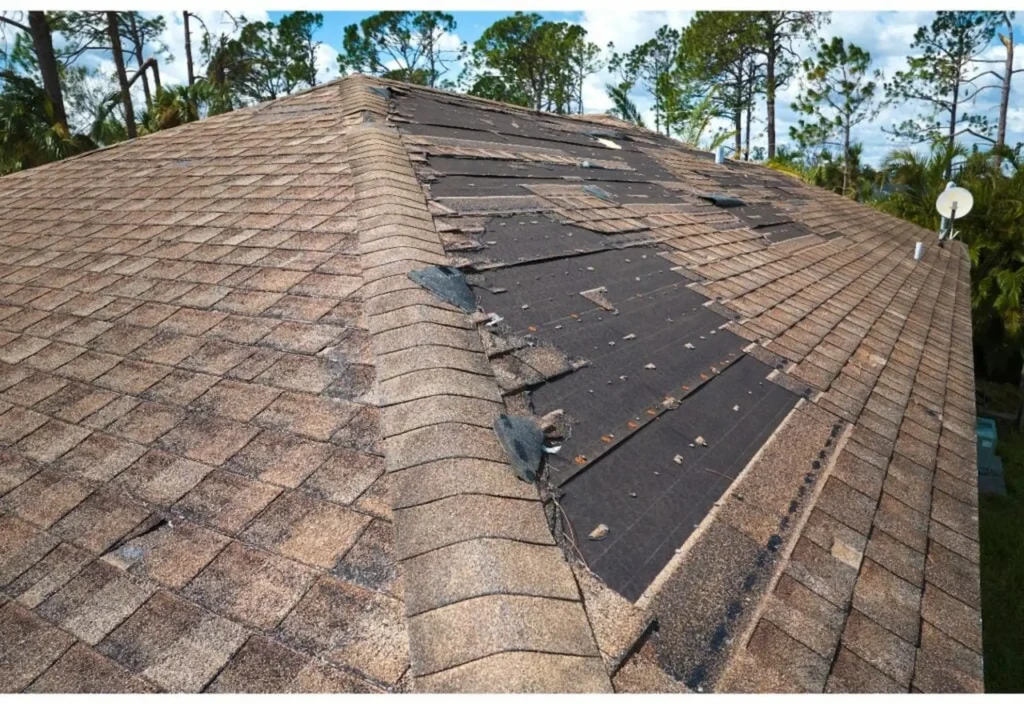
3. Storm and Wind Damage
Coastal Long Island experiences more intense storms, Nor’easters, and hurricane-impact winds than inland areas. These can cause:
- Missing shingles
- Lifted shingle edges
- Damaged roof valleys
- Torn-off flashing
- Impaired ridge caps
Storms can also cause hidden roof damage, where structural issues remain unnoticed until leaks begin. It’s crucial to schedule storm damage roof repair Long Island services after major weather events.
4. Roof Leaks and Water Damage
Roof leaks are one of the most common reasons homeowners contact a Long Island roofing contractor. The problem often stems from:
- Cracked shingles
- Corroded flashing
- Poor ventilation
- Loose fasteners
- Damaged underlayment
With constant coastal moisture, a small leak can quickly turn into widespread water damage, leading to mold, structural issues, and costly repairs.
JJ Fernandez Roofing provides fast roof leak repair Long Island services designed for coastal homes.
5. Gutter Corrosion and Drainage Issues
Salt air doesn’t only affect shingles. Guttersespecially older aluminum systemscorrode quickly in coastal environments. Corroded gutters cause:
- Overflow during rain
- Water pooling around the home
- Damage to fascia boards
- Foundation erosion
Keeping gutters clear and replacing corroded systems helps maintain proper drainage.
6. Flashing Deterioration
Flashing protects vulnerable areas such as chimneys, skylights, and roof valleys. Salt corrosion and strong coastal winds frequently weaken these sections. When flashing deteriorates, water infiltration becomes inevitable.
Signs of failing flashing include:
- Rust spots
- Loose metal pieces
- Water stains inside the home
- Visible gaps between flashing and shingles
Flashing failure often requires immediate repair to prevent interior water damage.
7. Curled, Cracked, or Missing Shingles
Shingle deterioration is accelerated in coastal climates. You may see:
- Edges curling upward
- Surface cracking
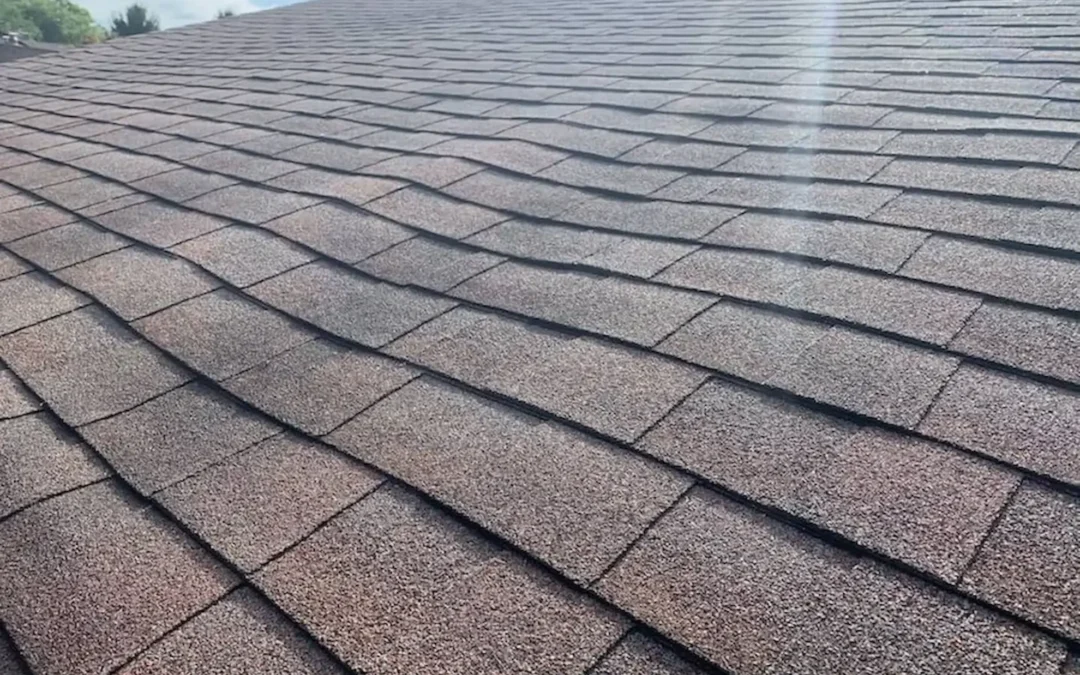
- Granule erosion
- Patches of missing shingles
If these issues appear, it’s a sign that the roof is nearing the end of its lifespan roof replacement Long Island services should be considered.
8. Structural Damage from Storms and High Winds
Even if the shingles appear intact, storms can cause hidden structural damage such as:
- Weakened decking
- Attic moisture
- Nail pops
- Splitting of the underlayment
Regular inspections help detect these issues early, preventing costly long-term repairs.
9. Ventilation Problems in Coastal Homes
Ventilation is essential for controlling moisture and extending roof life. Coastal humidity makes inadequate ventilation especially dangerous, leading to:
- Mold growth
- Attic heat buildup
- Shingle aging
- Warped decking
Upgrading ventilation systems is one of the most effective ways to improve roof performance in humid climates.
10. Accelerated Shingle Lifespan Reduction
Even high-quality shingles wear faster in coastal environments. Many coastal homes see reduced shingle lifespan due to:
- Constant UV exposure
- Wind-driven rain
- Airborne salt
- High moisture levels
This is why choosing high-wind-rated shingles or architectural shingles is recommended.
How Salt Air Affects Roofs
Salt air is one of the most damaging environmental factors for Long Island roofs, as it penetrates roofing materials, acts as a natural abrasive, and accelerates drying, cracking, and overall deterioration.
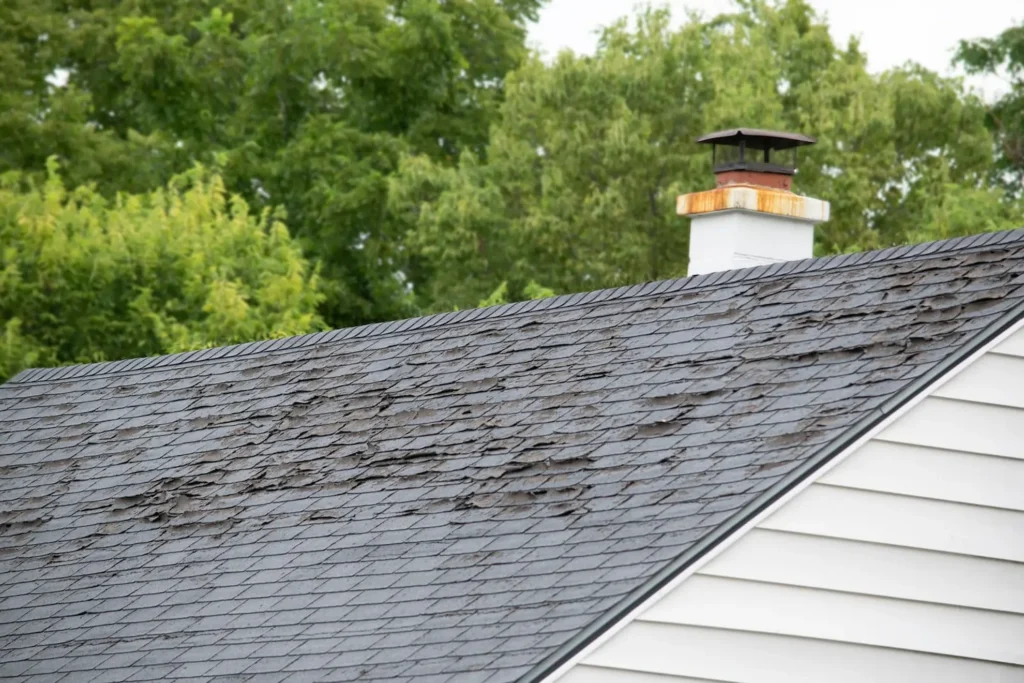
The combination of salt, humidity, and constant sun exposure dramatically speeds up the aging process. Salt air reduces asphalt shingle flexibility, weakens metal flashing and fasteners, and shortens overall gutter lifespan by promoting corrosion.
Regular roof maintenance including routine washing, inspections, and timely repairs helps combat the effects of salt exposure and extends the life of your roofing system.
Why Coastal Homes Experience Faster Shingle Deterioration
Coastal homes deteriorate faster because of:
- Higher moisture levels
- Stronger winds
- Temperature fluctuations
- Salt corrosion
- Increased storm frequency
- Greater UV exposure
These combined pressures make premium materials and frequent inspections essential.
Best Roofing Materials for Coastal Long Island Homes
Not all shingles are ideal for coastal environments. Recommended materials include:
Architectural Asphalt Shingles
More durable and wind-resistant than basic 3-tab shingles.
Impact-Resistant Shingles
Designed to handle debris and intense storms.
High-Wind-Rated Shingles
Tested to withstand coastal wind speeds.
Algae-Resistant Shingles
Prevent unsightly black streaks and surface damage.
Quality material selection significantly improves roof longevity.
How Homeowners Can Protect Their Roof from Coastal Weather
- Schedule regular roof inspection services on Long Island
- Keep gutters clean and corrosion-free
- Upgrade to algae- and wind-resistant shingles
- Install proper attic ventilation
- Fix minor issues quickly before they escalate
- Wash salt deposits from roof surfaces
- Replace damaged flashing immediately
Preventive maintenance is the key to long-lasting coastal roofing.
How Often Should Coastal Long Island Roofs Be Inspected?
Coastal Long Island roofs require more frequent inspections due to the harsh effects of salt air, humidity, and severe weather. Experts recommend having your roof inspected twice a year, typically in the spring and fall, to catch early signs of damage before they escalate.
Homes located extremely close to the shoreline may benefit from three inspections per year because of higher salt exposure and increased wear. In addition to routine visits, roofs should always be inspected after major storms, hurricanes, nor’easters, or high-wind events, as these conditions can cause hidden structural issues.
Regular professional inspections help identify early deterioration, extend roof lifespan, and prevent costly repairs.
Signs of Salt Corrosion on a Roof
Look for:
- Rust stains on flashing
- Discolored shingles
- Pitted or brittle shingle surfaces
- Corroded fasteners
- Early shingle granule loss
If you spot any of these signs, schedule service immediately to prevent additional damage.
Can Storms Cause Hidden Roof Damage?
Absolutely storms can cause significant hidden roof damage that often goes unnoticed until leaks or interior issues appear. High winds may loosen shingles, while heavy rain can crack or weaken the underlayment that protects your home.
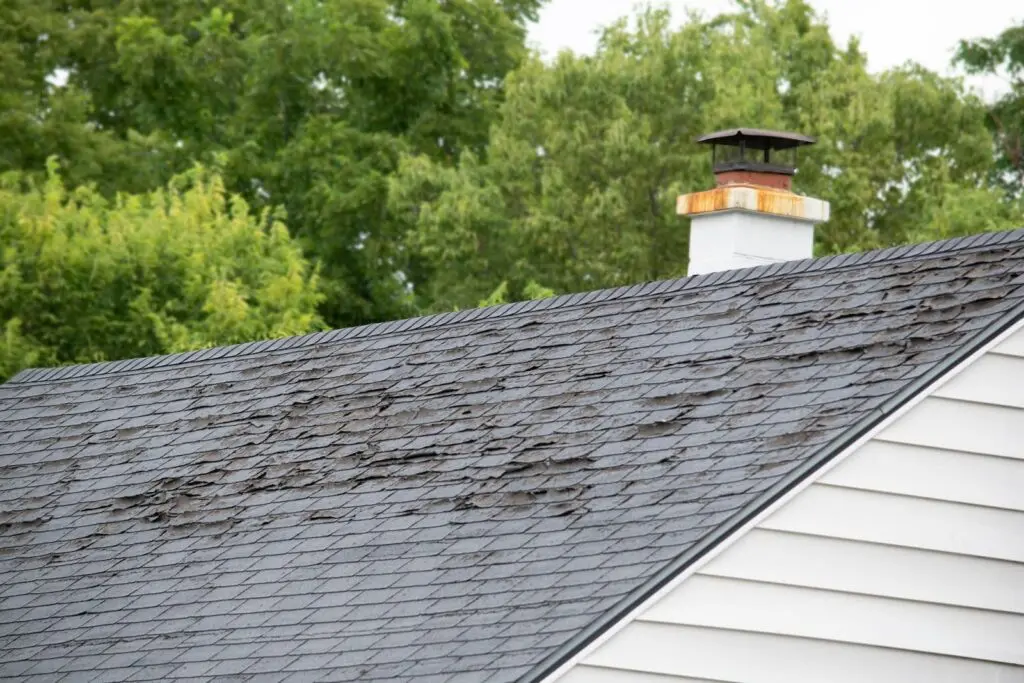
In more severe cases, storms can damage the roof decking, warp plywood, or cause moisture buildup inside the attic, leading to mold growth and long-term structural problems. Because these issues aren’t always visible from the ground, a professional roof inspection is the best way to uncover hidden storm damage early and prevent more expensive repairs down the line.
How Long Do Roofs Last in Coastal Long Island Climates?
Coastal roofs typically have shorter lifespans than inland roofs. On average:
- Asphalt shingles: 12–20 years
- Architectural shingles: 20–30 years
- Premium impact-resistant shingles: 25–40 years
Routine maintenance and high-quality materials help extend lifespan despite harsh conditions.
Why Choose JJ Fernandez Roofing for Coastal Roofing Problems?
Coastal roofing requires expertise, high-performance materials, and an understanding of the unique climate challenges along Long Island’s shoreline. JJ Fernandez Roofing offers:

- Skilled, licensed, and insured professionals
- Specialized coastal roofing solutions
- Fast emergency roof repair Long Island services
- High-wind-rated and algae-resistant shingles
- Thorough inspections and transparent estimates
- Decades of experience in Long Island’s coastal communities
Their commitment to quality workmanship and long-term roofing protection makes them a top choice for homeowners across Nassau and Suffolk counties.
Final Thoughts
Coastal homes require stronger roofing materials, more frequent inspections, and expert maintenance to remain protected from salt, wind, moisture, and storm impacts. Understanding the common roofing problems in coastal Long Island homes helps homeowners take action early, preventing expensive repairs and extending roof lifespan.
If your roof shows signs of salt corrosion, moisture buildup, storm damage, or general deterioration, contact JJ Fernandez Roofing for reliable, long-term solutions tailored to the coastal climate.
Your home deserves strong, lasting protection especially on the coast.