“Bring your home back to life with siding repairs that erase storm damage and restore curb appeal, beautiful, durable, and built to last.”
When extreme weather hits Long Island, one of the first exterior elements to take damage is your siding. From wind-torn panels to hail-dented surfaces, from moisture-warping to sun-faded sections, siding often absorbs the full force of the island’s unpredictable climate. When this damage goes untreated, it can lead to deeper structural issues, moisture intrusion, mold growth, energy inefficiency, and complete material failure. That’s why timely siding repair for weather damage is essential for protecting your home and preserving its exterior integrity.
At JJ Fernandez Roofing, we specialize in weather-damaged siding repair, helping Long Island homeowners restore their exteriors after storms, seasonal wear, or gradual long-term deterioration. Whether your siding has cracked, loosened, warped, faded, or broken away completely, our team provides fast, reliable, and durable repair solutions tailored for Long Island’s harsh environmental conditions.
This guide covers the most common causes of siding damage, the warning signs homeowners should watch for, the best materials for repair, and the professional solutions that ensure your home remains strong, protected, and visually appealing year-round.
Understanding How Weather Damages Residential Siding
Long Island homes face a combination of coastal winds, heavy rainfall, intense humidity, winter storms, hail, and extreme temperature swings. These conditions quickly wear down siding materialsespecially vinyl and older installations and cause structural issues that spread if ignored.
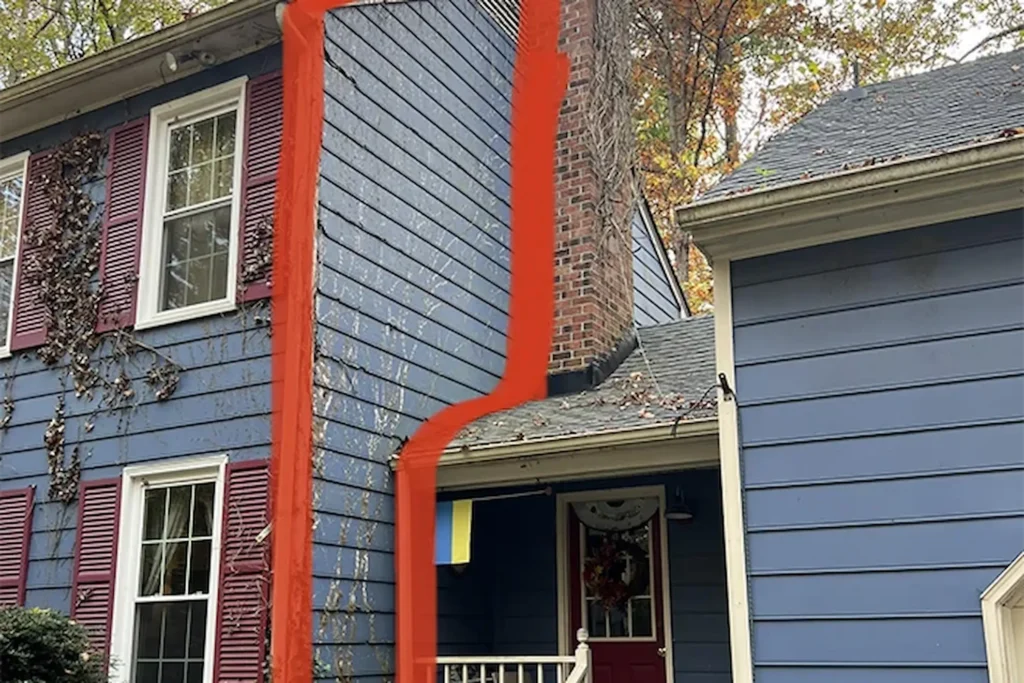
Weather-related siding deterioration often appears as:
- Cracks
- Holes
- Warping
- Loose or missing panels
- Fading or brittleness
- Moisture damage
- Mold growth
When siding fails, your home’s protective barrier is compromised. That’s why siding repair services are crucial for maintaining both curb appeal and long-term structural safety.
1. Wind Damage: One of the Most Common Threats to Long Island Siding
Long Island experiences frequent strong winds, especially during nor’easters, thunderstorms, and coastal storms. Wind can lift siding panels, loosen fasteners, or tear entire sections from the home.
Wind may also create pressure behind siding, causing panels to bulge, warp, or rattle. Over time, this weakens the material and exposes insulation or structural components to the elements.
Typical signs of wind damage siding repair include:
- Loose or flapping panels
- Gaps between sections
- Detached siding
- Warped or bowed panels
If wind damage is ignored, water intrusion often follows, accelerating deterioration.
2. Hail Damage: Impact Cracks, Dents & Fractures
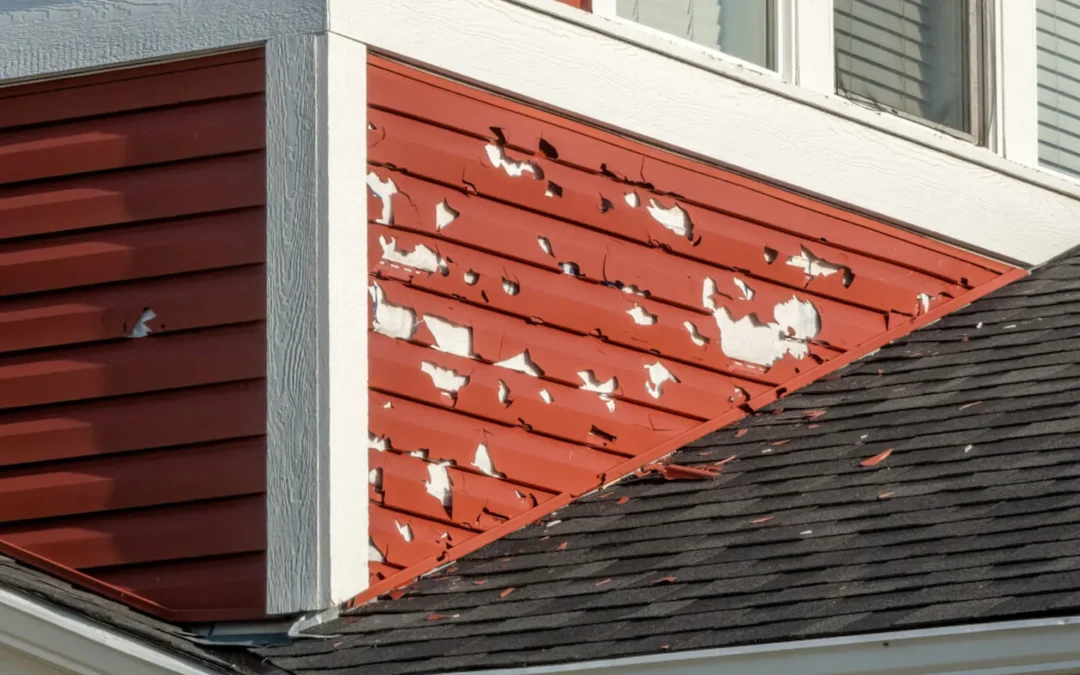
Hail is one of the most destructive forms of weather for siding. When hailstones strike vinyl or fiber cement siding, they create dents, cracks, punctures, or fractured sections.
Even small hail can cause problems like:
- Chips in protective coatings
- Cracks that expand over time
- Brittle siding panels
- Holes in older or sun-damaged siding
Homes on the North Shore and open areas of Suffolk County tend to suffer the most from hail events. Professional hail damage siding repair is essential to restore the protective function of the exterior.
3. Water & Moisture Damage: A Hidden but Serious Problem
Water intrusion is one of the most dangerous forms of siding damage because it spreads silently. Damaged siding allows moisture to seep behind panels and into the home’s sheathing, insulation, or framing.
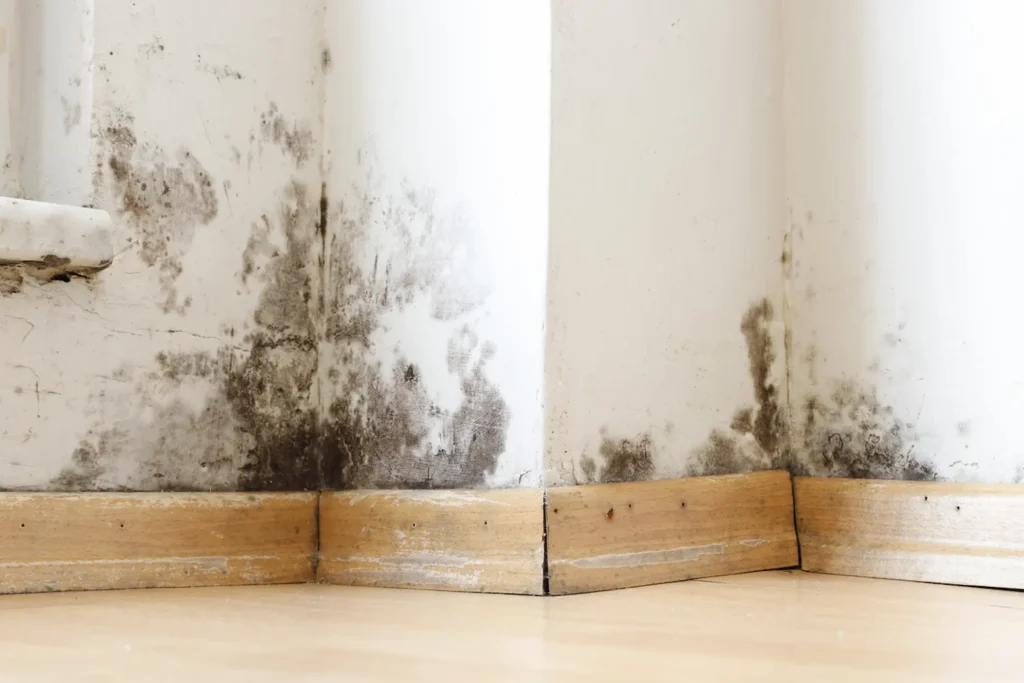
Signs of water-damaged siding repair include:
- Soft, swollen, or spongy panels
- Bubbles or blistering
- Mold or mildew
- Rotting wood behind siding
- Persistent damp smells
- Interior wall staining
Long Island’s humidity and frequent storms make moisture one of the most common and often overlook edsiding threats.
4. UV Sun Exposure: Fading, Brittleness & Material Breakdown
Strong sun exposure breaks down siding materials over time. UV rays cause color fading, chalkiness, and brittleness particularly on south-facing walls.
UV deterioration results in:
- Faded exterior color
- Panels becoming dry or brittle
- Increased cracking
- Reduced flexibility
- Surface degradation
When siding becomes brittle, even a moderate storm can cause cracks or breakaway sections.
5. Temperature Swings: Expansion & Contraction Damage
Long Island experiences dramatic seasonal shiftsfrom humid summers to freezing winters. These temperature swings cause siding panels to expand and contract repeatedly.
Over time, this leads to:
- Warping
- Buckling
- Loose fasteners
- Stress cracks
- Distorted seams
Proper installation and repairs help prevent long-term damage caused by seasonal expansion cycles.
6. Storm Damage: Flying Debris, Heavy Rain & Structural Stress
From hurricane remnants to powerful nor’easters, Long Island storms bring wind-driven rain, flying debris, and pressure changes that wreak havoc on siding. Storm damage can range from minor cosmetic issues to severe structural problems.
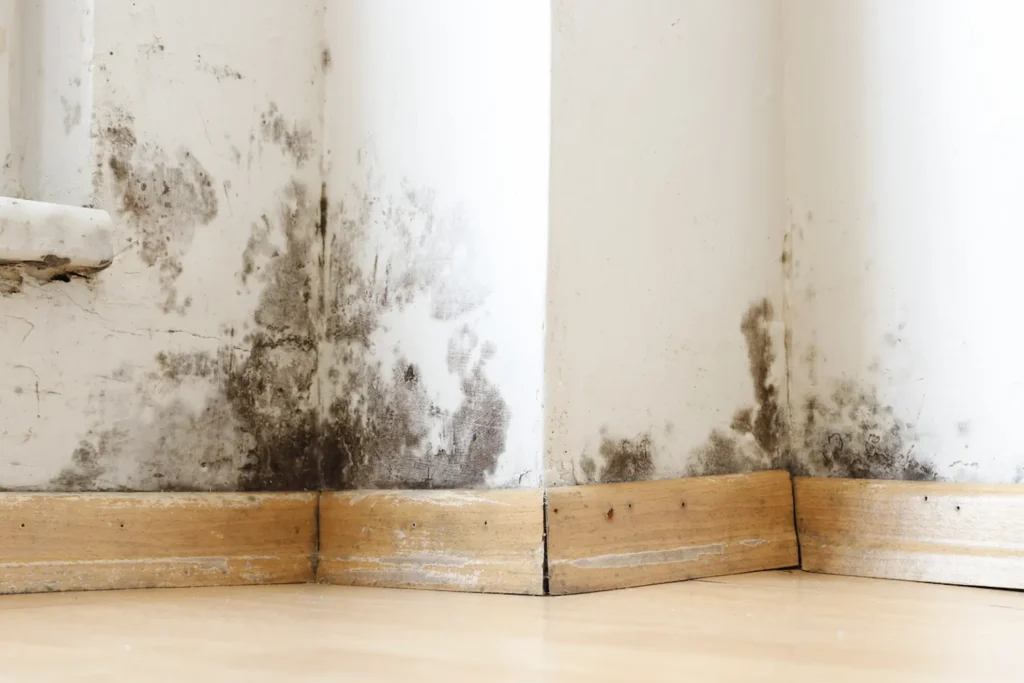
Common forms of storm-damaged siding repair include:
- Cracked panels from debris
- Entire sections torn loose
- Water infiltration behind siding
- Damaged corner posts or trim
- Compromised insulation
Severe storms often require immediate emergency siding repair to prevent further deterioration.
Signs of Siding Damage Homeowners Should Never Ignore
Weather damage isn’t always obvious. Some signs appear gradually, while others indicate urgent repair is needed.
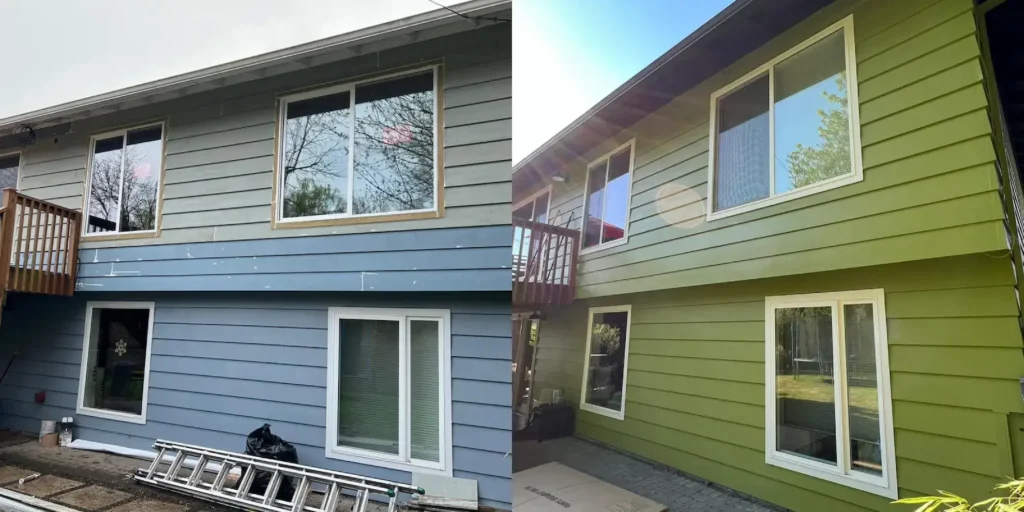
Look for:
- Cracks, chips, or holes
- Warping or bubbling
- Loose or missing siding panels
- Faded or chalky surfaces
- Mold or mildew stains
- Interior wall moisture
- Energy bills increasing
- drafts near walls
These issues indicate deteriorating siding that may soon compromise your home’s structure.
Repairing vs. Replacing Weather-Damaged Siding
Deciding between siding repair services and full replacement depends on several factors, including the extent of damage, the age of the siding, and the type of material.
Repair is best when:
- The damage is contained to one small area
- Only a few panels are cracked or loose
- Color matching is possible
- The siding is relatively new
Replacement is best when:
- Damage is widespread
- Warping or moisture intrusion is severe
- The siding is old or brittle
- Mold is present
- The home needs improved insulation or efficiency
A professional inspection determines the most cost-effective long-term solution.
Best Materials for Siding Repair in Weather-Exposed Homes
Choosing the right material is essential for durable repairs. On Long Island, siding must withstand wind, moisture, salt air, and UV rays.
Vinyl Siding Repair
Vinyl is affordable and widely used, but it can crack, warp, or fade. Replacement panels must match the existing color and style.
Fiber Cement Siding Repair
Fiber cement is highly durable and withstands harsh weather well, but impacts can still fracture panels. Repairs require specialized tools and expertise.
Engineered Wood Siding Repair
Strong and attractive, but vulnerable to moisture if damaged. Early repair prevents rot and mold.
Aluminum Siding Repair
Less common today, but still present on older homes. Aluminum dents easily and often needs panel replacement.
The right repair depends on existing materials and the extent of weather damage.
How Professional Siding Repair Services Restore Weather-Damaged Exteriors
A proper siding repair is more than replacing a panel. It requires understanding the cause of damage, restoring structural integrity, and ensuring a perfect seal against future weather.
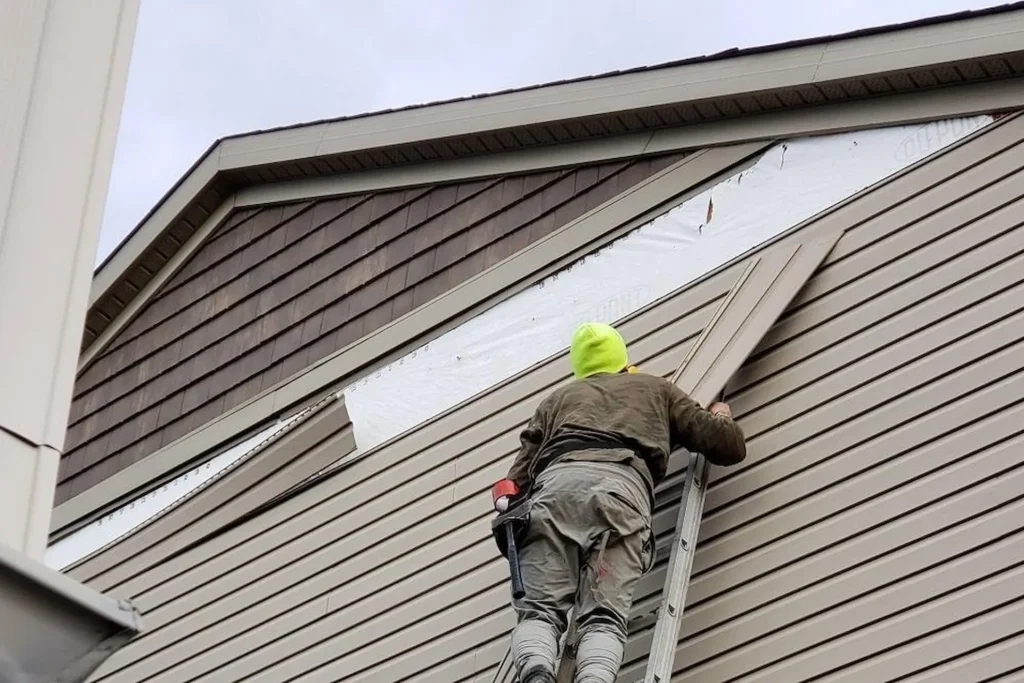
Professional siding repair includes:
- Detailed Inspection
Evaluating siding, trim, insulation, and moisture-affected areas. - Damage Source Identification
Determining whether the issue was caused by wind, hail, moisture, UV exposure, or poor installation. - Panel or Section Removal
Carefully removing damaged siding without harming surrounding panels. - Repairing Underlying Damage
Fixing moisture issues, sheathing problems, or structural decay. - Installing New Panels
Matching color, style, and texture for a seamless exterior. - Sealing & Reinforcement
Ensuring siding is secure and weather-tight against future storms. - Final Inspection
Confirming that repairs are durable, level, and aesthetically consistent.
This process ensures your home remains protected long after the storm passes.
Cost of Siding Repair: What Homeowners Should Expect
The cost of siding repair depends on:
- Type of siding
- Extent of weather damage
- Accessibility of the damaged area
- Labor complexity
- Material availability
- Whether moisture repair is needed
Repairs for a few damaged panels cost significantly less than repairing widespread storm damage or rot.
A professional inspection provides a clear estimate tailored to your property and siding type.
How Fast Should Weather-Damaged Siding Be Repaired?
Weather-damaged siding should be repaired immediately, especially when moisture is involved. Even minor cracks, gaps, or loose panels can allow water to seep behind the exterior surface, leading to serious issues such as mold growth, structural wood rot, insulation damage, higher energy bills, interior wall damage, and even pest intrusion.
Acting quickly with professional exterior siding repair prevents small problems from turning into major, expensive repairs and helps maintain the structural integrity and energy efficiency of your home.
Why Choose JJ Fernandez Roofing for Weather-Damaged Siding Repair
Long Island’s unpredictable weather requires siding repairs performed by a contractor who understands local conditions, coastal risks, and storm-related deterioration. JJ Fernandez Roofing delivers reliable, expert-level siding repair designed specifically to withstand Long Island’s climate challenges.
Local Experience With Long Island Weather
We handle wind, hail, coastal salt exposure, and moisture-driven deterioration every day. Our repairs are tailored for the exact conditions that damage siding in this region.
Skilled Technicians for Vinyl, Fiber Cement & All Siding Types
Whether your home has vinyl, fiber cement, engineered wood, or aluminum siding, our team provides precise repairs that restore protection and appearance.
Fast Storm & Emergency Repairs
Weather damage can expose your home to immediate risk. Our rapid-response storm repair services prevent further deterioration and protect your property until full repairs are completed.
Full Inspection & Long-Term Solutions
We don’t just fix visible damagewe address hidden moisture problems, rot, loose flashing, or structural issues that other contractors might miss.
Perfect Color & Style Matching
We ensure repaired sections blend seamlessly with your existing siding for a clean, consistent finish.
Honest, Transparent Recommendations
You’ll always receive professional guidance based on your siding’s conditionnot pressure to replace when a repair will suffice.
Homeowners across Nassau and Suffolk trust JJ Fernandez Roofing for high-quality, dependable siding repair solutions that last.
FAQs
What causes siding damage during storms?
Wind, hail, flying debris, and wind-driven rain often crack, loosen, or break siding panels.
Is it better to repair or replace damaged siding?
Minor damage can be repaired, but widespread cracking, warping, or moisture problems may require replacement.
How much does siding repair cost?
Costs depend on material, extent of damage, and whether moisture repairs are needed. A professional inspection gives the most accurate estimate.
What siding lasts longest in harsh weather?
Fiber cement siding typically lasts the longest, followed by high-quality vinyl and engineered wood.
How do I know if my siding needs repair?
Cracks, warping, holes, fading, mold, and loose panels are all signs your siding needs attention.
Can hail damage be repaired without full replacement?
Yesif the damage is localized. Severe hail may require replacing larger sections.
How fast should weather-damaged siding be fixed?
Immediately. Delayed repairs can lead to moisture penetration, mold, and structural rot.
Final Thoughts
Weather-damaged siding isn’t just cosmetic affects your home’s safety, efficiency, and structural integrity. Long Island’s climate demands strong, well-maintained siding that can stand up to wind, hail, moisture, UV exposure, and seasonal changes.
Whether you’re dealing with minor cracks or severe storm destruction, JJ Fernandez Roofing provides the siding repair solutions needed to restore your home’s protection and prevent long-term damage.