“A small leak today can become a catastrophe tomorrow, spotting roof damage early saves your home and peace of mind.”
Your roof is your home’s first line of defense against the elements. In Suffolk County, Nassau County, and across Long Island, roofs face everything from heavy winter snow to summer storms, strong winds, and coastal humidity. Damage can develop gradually, often unnoticed until it leads to costly repairs or even structural issues. Understanding the early warning signs of roof damage allows homeowners to take action before minor issues turn into major problems.
At J&J Fernandez Roofing, we’ve helped countless Long Island residential roofing owners identify issues early and protect their investment. This guide highlights the key signs of roof damage and provides advice on what to do when you notice them.
Why Early Detection Matters
Roof damage may start small but can quickly escalate. Ignoring early signs can lead to:
- Leaks that damage ceilings, walls, and insulation
- Mold and mildew growth in the attic and home interior
- Structural damage to roof decking and supports
- Reduced energy efficiency due to compromised insulation
- Shortened lifespan of shingles and roofing materials
By acting promptly, homeowners in Suffolk and Nassau Counties can save on costly repairs, avoid emergency replacements, and maintain the integrity of their home.
1. Missing or Damaged Shingles
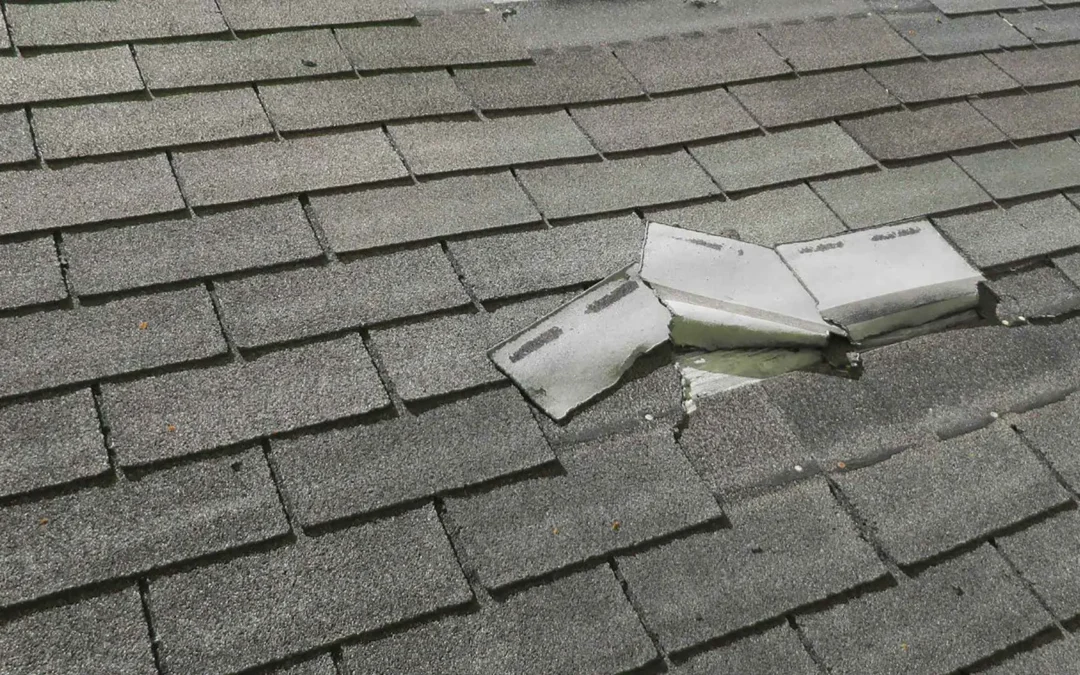
One of the most obvious signs of roof damage is missing, cracked, or curling shingles:
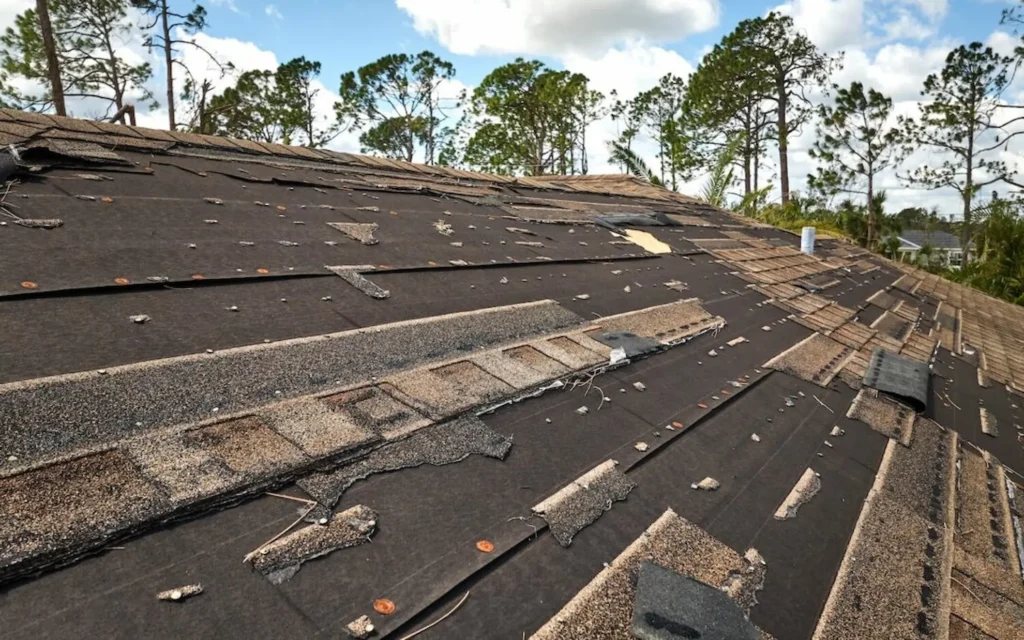
- Missing Shingles: Strong winds, storms, or heavy rain can tear shingles away, exposing the roof deck.
- Cracked or Split Shingles: UV exposure, temperature fluctuations, and aging can cause shingles to crack.
- Curling Shingles: Edges lifting indicate moisture or inadequate ventilation.
Homeowners should inspect their roofs after storms and during seasonal maintenance to catch these issues early.
2. Roof Leaks and Water Stains
Water infiltration is a critical indicator of roof damage:
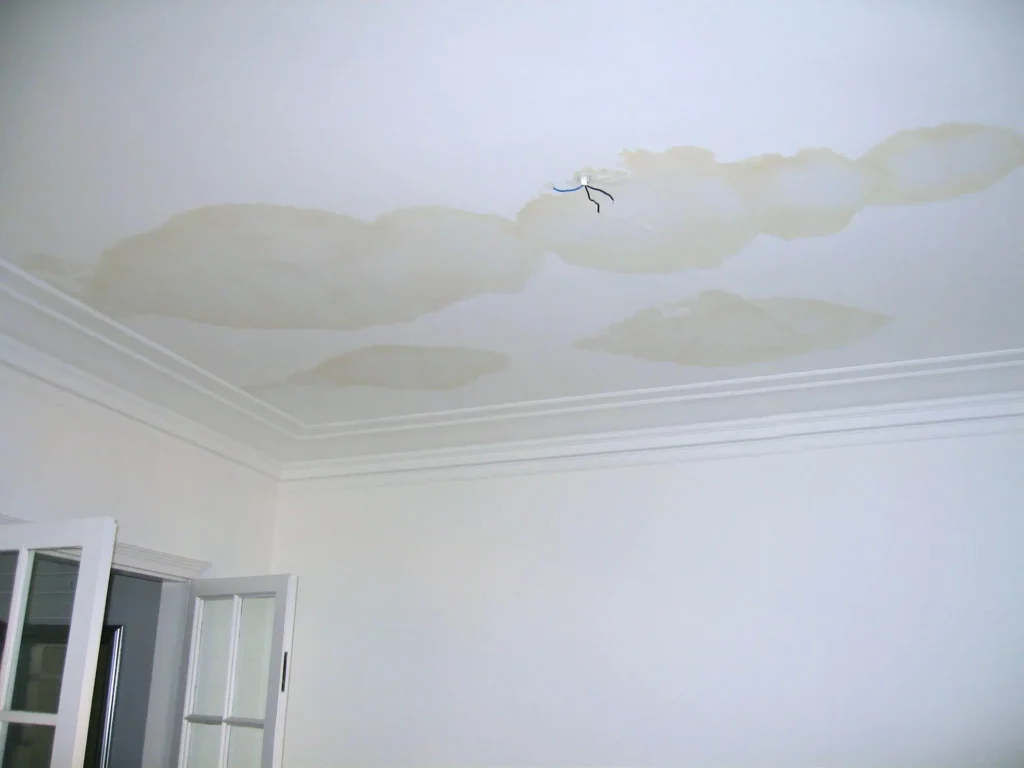
- Ceiling or Wall Stains: Yellow or brown water stains inside the home often point to leaks.
- Dripping Water: Obvious leaks need immediate roof repair attention to prevent structural damage
- Attic Moisture: Damp insulation or roof decking indicates water penetration.
Even minor leaks can compromise the roof structure over time, so timely repairs are essential.
3. Granule Loss from Shingles
Shingle granules protect asphalt shingles from UV rays and weathering:
- Excessive granule shedding can appear as a pile of small particles in gutters.
- Loss of granules exposes shingles to accelerated wear and cracking.
Granule loss is often a precursor to the need for partial or full roof replacement if not addressed early.
4. Sagging Roof Deck
A sagging roof is a serious warning:
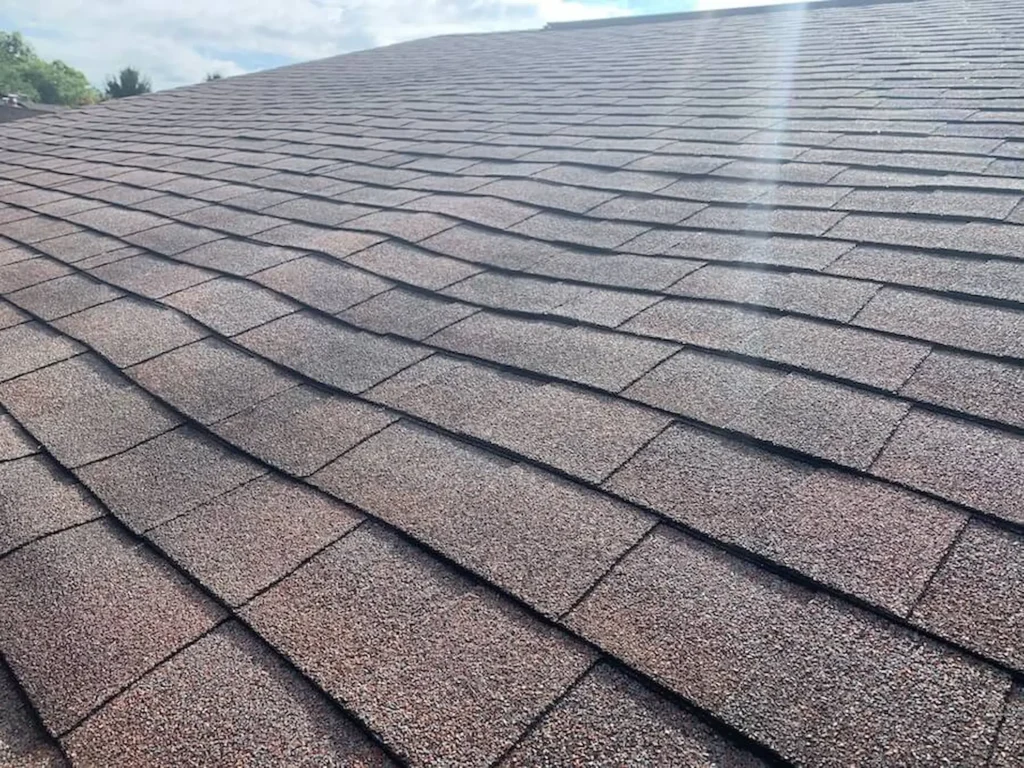
- It may indicate water damage, rotting wood, or structural failure.
- Commonly observed in valleys, near chimneys, or areas with prolonged leaks.
Sagging requires immediate professional evaluation to prevent roof collapse or interior damage.
5. Moss, Algae, or Mold Growth
In the humid Long Island environment, moss and algae can damage shingles:
- Moss traps moisture, causing shingles to lift or rot.
- Algae discoloration indicates water retention, which weakens roofing materials.
- Mold growth in the attic signals ongoing leaks or poor ventilation.
Prompt cleaning and treatment help protect shingles and prevent further damage.
6. Ice Dams and Water Backups
During Suffolk and Nassau County winters, ice dams can form along roof edges:
- Ice dams prevent proper drainage, causing water to seep under shingles.
- This leads to leaks, mold, and shingle deterioration.
- Poor ventilation and insulation often contribute to ice dam formation.
Addressing ventilation and drip edge installation issues reduces the risk of ice damage and prolongs shingle life.
7. Cracked or Missing Flashing
Flashing is installed around chimneys, vents, and skylights to prevent leaks:
- Damaged or missing flashing is a common entry point for water.
- Rusted or deteriorated flashing compromises the roof’s waterproofing.
Regular inspection of flashing is crucial, especially after high winds or storms.
8. High Energy Bills
Unexpected spikes in energy costs can be a subtle sign of roof damage:
- Leaks or poor insulation allow heat to escape in winter and enter in summer.
- Damaged shingles or ventilation issues reduce energy efficiency.
Monitoring energy usage alongside roof condition can help identify hidden issues.
9. Signs Inside the Attic
The attic is often the first place to show signs of roof damage:
- Water stains on rafters or decking
- Excessive condensation or mold growth
- Damaged insulation
Regular attic inspections are essential for early detection, especially after storms.
10. Debris or Damage After Storms
Strong storms can leave behind warning signs:
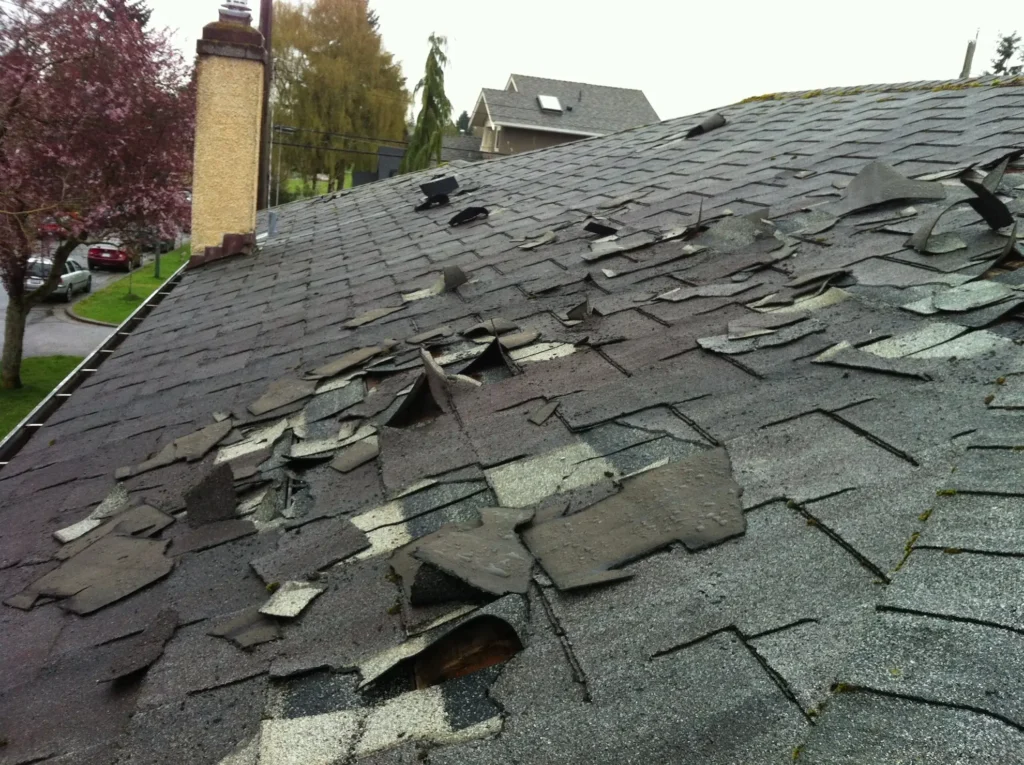
- Broken tree branches or debris on the roof can puncture shingles.
- Hail damage leaves dents or cracks on shingles.
- Wind can lift shingles or loosen flashing.
Inspecting the roof after storms ensures minor damage doesn’t escalate.
How to Respond to Roof Damage
When you notice any signs of roof damage:
- Schedule a Professional Inspection: Experts assess the full extent of the damage.
- Document the Damage: Take photos for insurance or repair planning.
- Prioritize Urgent Repairs: Address leaks, sagging areas, or structural issues immediately.
- Maintain Your Roof Year-Round: Regular maintenance prevents minor issues from becoming major problems.
In Suffolk County, Nassau County, and Long Island, working with a trusted local roofing contractor like J&J Fernandez Roofing ensures fast, reliable, and expert service.
FAQs
How often should I inspect my roof for damage?
Twice a year , in spring and fall , and after major storms.
Can roof damage be repaired without full replacement?
Yes. Minor shingle or flashing repairs often prevent more extensive work, but severe damage may require replacement.
Does insurance cover storm-related roof damage?
Many homeowners’ insurance policies cover storm damage, but always verify with your provider.
How can I prevent roof damage in the future?
Regular maintenance, proper ventilation, trimming overhanging trees, and timely repairs are key.
When should I call a professional immediately?
If you notice leaks, sagging, missing shingles, or interior water damage, call a licensed contractor without delay.
Final Thoughts
“Early detection is the difference between a minor repair and a major expense , stay vigilant, protect your home, and act fast.”
Ignoring roof damage can compromise the safety, efficiency, and value of your home. Homeowners in Suffolk County, Nassau County, and Long Island should prioritize inspections, recognize early warning signs, and address issues promptly.
With J&J Fernandez Roofing, Long Island homeowners receive expert evaluation, reliable repairs, and long-lasting solutions that protect their home for years to come. From shingle replacement to flashing repairs and ventilation assessment, our team ensures your roof remains a sturdy, dependable shield over your home.